
Anti-glass reflective silicone lens hood ULH with large 19cm outer diameter and small 13cm outer diameter for blocking glare and protecting SLR cameras during window shooting


Anti-glass reflective silicone lens hood ULH with large 19cm outer diameter and small 13cm outer diameter for blocking glare and protecting SLR cameras during window shooting
Anti-Glass Reflective Silicone Lens Hood for Blocking Glare on SLR Cameras
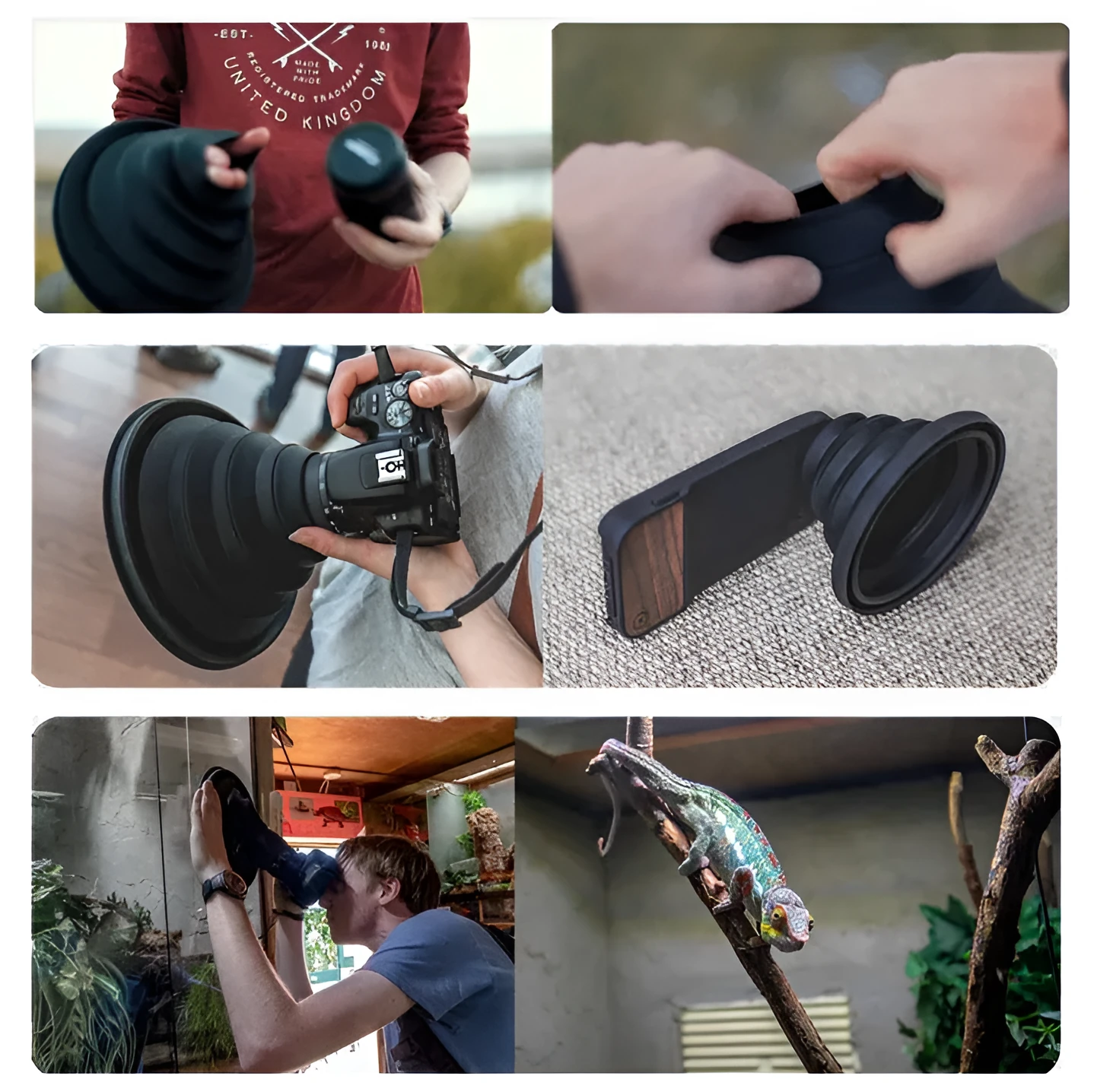
When shooting through windows, glare and unwanted reflections can spoil your photographs. The ULH lens hood addresses this specific problem with a simple, functional design. This black conical hood, crafted from elastic silicone, creates a physical barrier against light bouncing off glass surfaces. It is designed for SLR cameras with lenses larger than 60mm in diameter, offering both light control and a degree of lens protection. Available in two distinct sizes, it provides a solution for different shooting setups without complicated attachments or adjustments.
Features and Construction
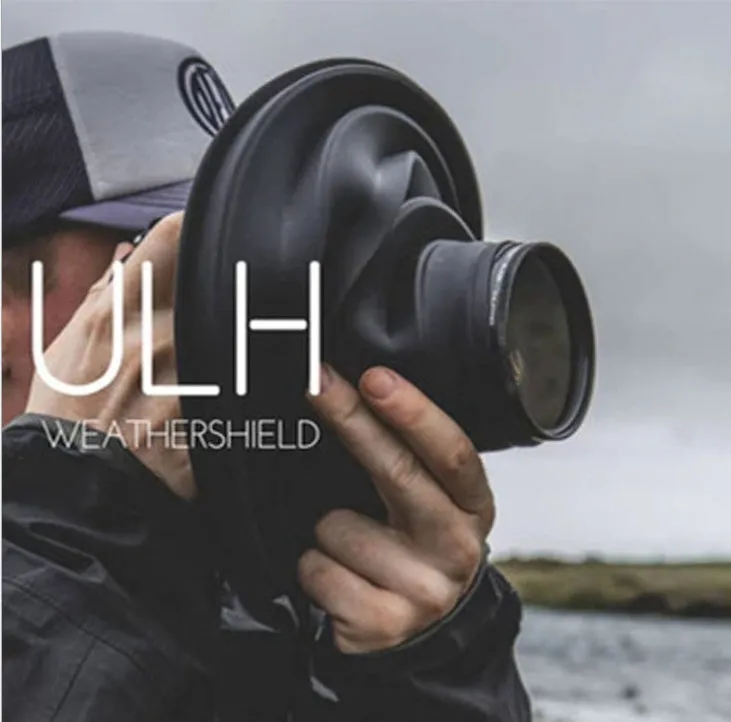
The ULH lens hood is defined by its practical specifications and material choice, focusing on fit and function over complex features.
Material and Build
The hood is constructed from a single piece of elastic silicone. This material choice is central to its function, allowing the hood to be stretched and fitted securely over a range of lens diameters. The silicone provides enough tension to stay in place during use without needing clips, threads, or mounting hardware. The matte black, conical shape is designed to extend forward from the lens, creating a shaded area to block light entering from angles that cause reflections on glass.
Size and Practical Fit
This product is offered in two clear sizes to accommodate different equipment. The large hood has an outer diameter of 19cm and an inner diameter of 6cm, weighing 110g. The small hood has an outer diameter of 13cm and an inner diameter of 3cm, weighing 50g. Both versions are intended for lenses with a diameter greater than 60mm. The specified inner diameters indicate the size of the lens opening the hood is designed to stretch over, ensuring a snug fit that won't easily slip off during use.
Uses and Placement
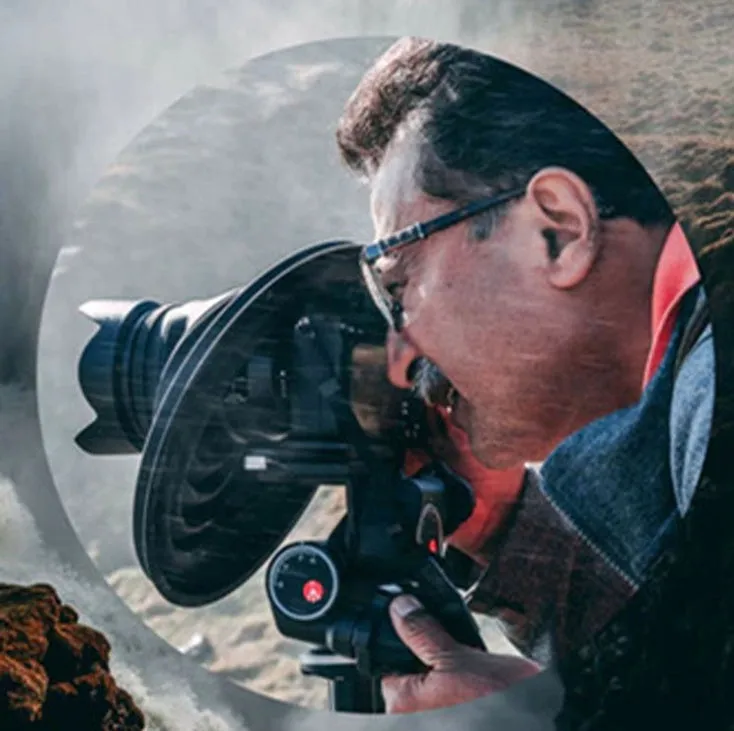
The application of this lens hood is targeted at a specific photographic challenge, making it a specialist tool for certain scenarios.
Event or Professional Use
For event, architectural, or street photographers who frequently shoot through windows or glass facades, this hood offers a direct solution to control reflections. It allows for clearer shots of subjects inside buildings or behind glass displays without the photographer's reflection appearing in the image. Its simple slip-on design means it can be quickly deployed or removed as shooting conditions change, making it suitable for dynamic professional environments where speed and adaptability are important.
Everyday Home Use
Enthusiasts and hobbyists can use the hood for clearer photographs of pets or family members indoors through a window, or for capturing garden wildlife from inside the house. It also provides a basic layer of physical protection for the front lens element from accidental contact with the glass surface. The lightweight design (50g or 110g) means it adds minimal bulk to a camera bag, making it easy to carry as part of an essential kit for everyday photography outings.
Benefits and Buying Value
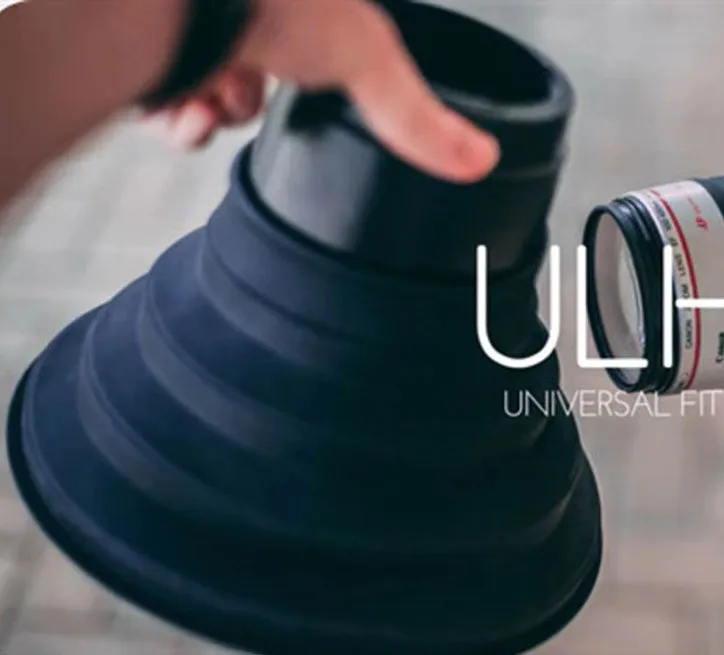
The value of this product lies in its focused problem-solving, straightforward use, and durable material construction.
Reuse and Low Maintenance
Made from silicone, the hood is inherently easy to maintain. It can be wiped clean with a damp cloth if it gets dusty or dirty. Its elastic properties mean it is resistant to permanent deformation from stretching, allowing it to be used repeatedly on the same or similar-sized lenses. There are no electronic components or moving parts to fail, contributing to a long functional lifespan based on its simple material construction.
Why Choose This Product
This lens hood is chosen for its dedicated purpose: combating glare and reflections when shooting through glass. Unlike standard lens hoods designed to block stray sunlight, its conical shape and opaque material are specifically suited for creating a sealed-off area against reflective surfaces. The provision of two sizes allows photographers to select the option that best matches their primary lens equipment. It represents a practical, single-function tool that integrates easily into a photographer's workflow without requiring technical expertise to install or use.