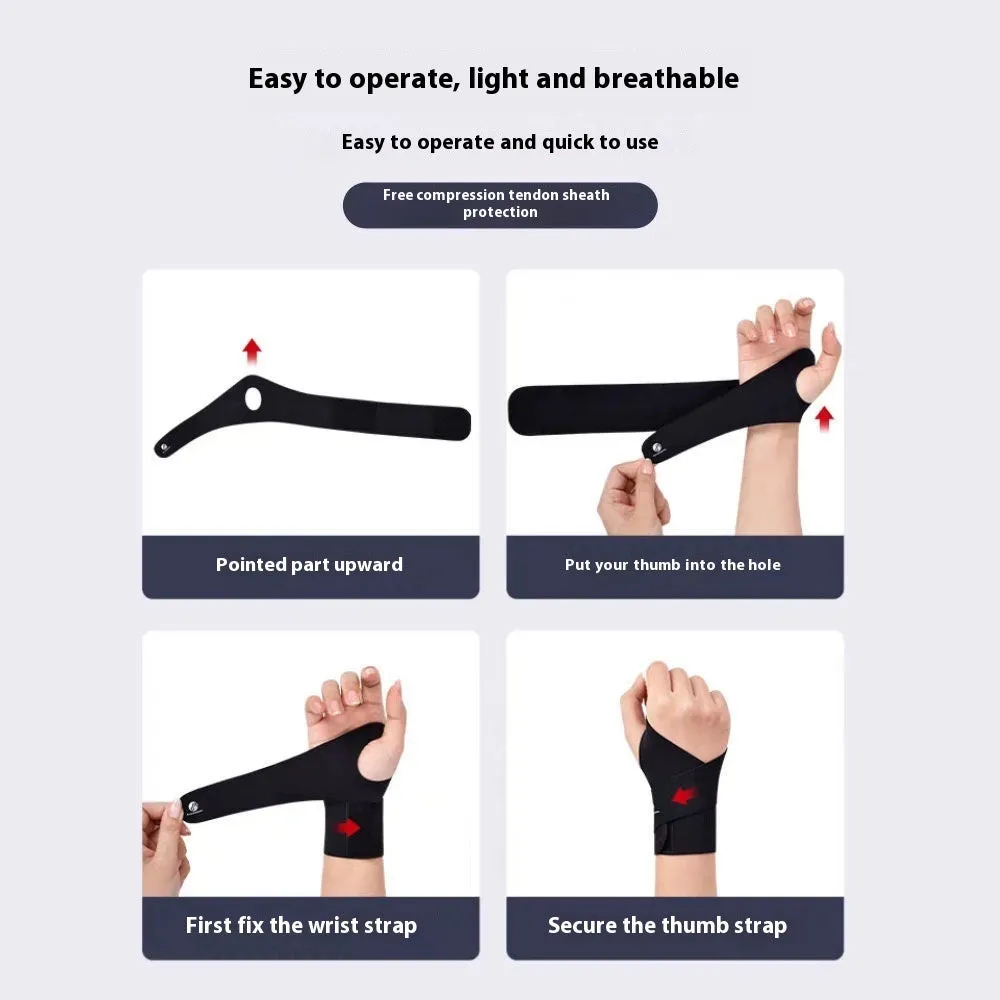
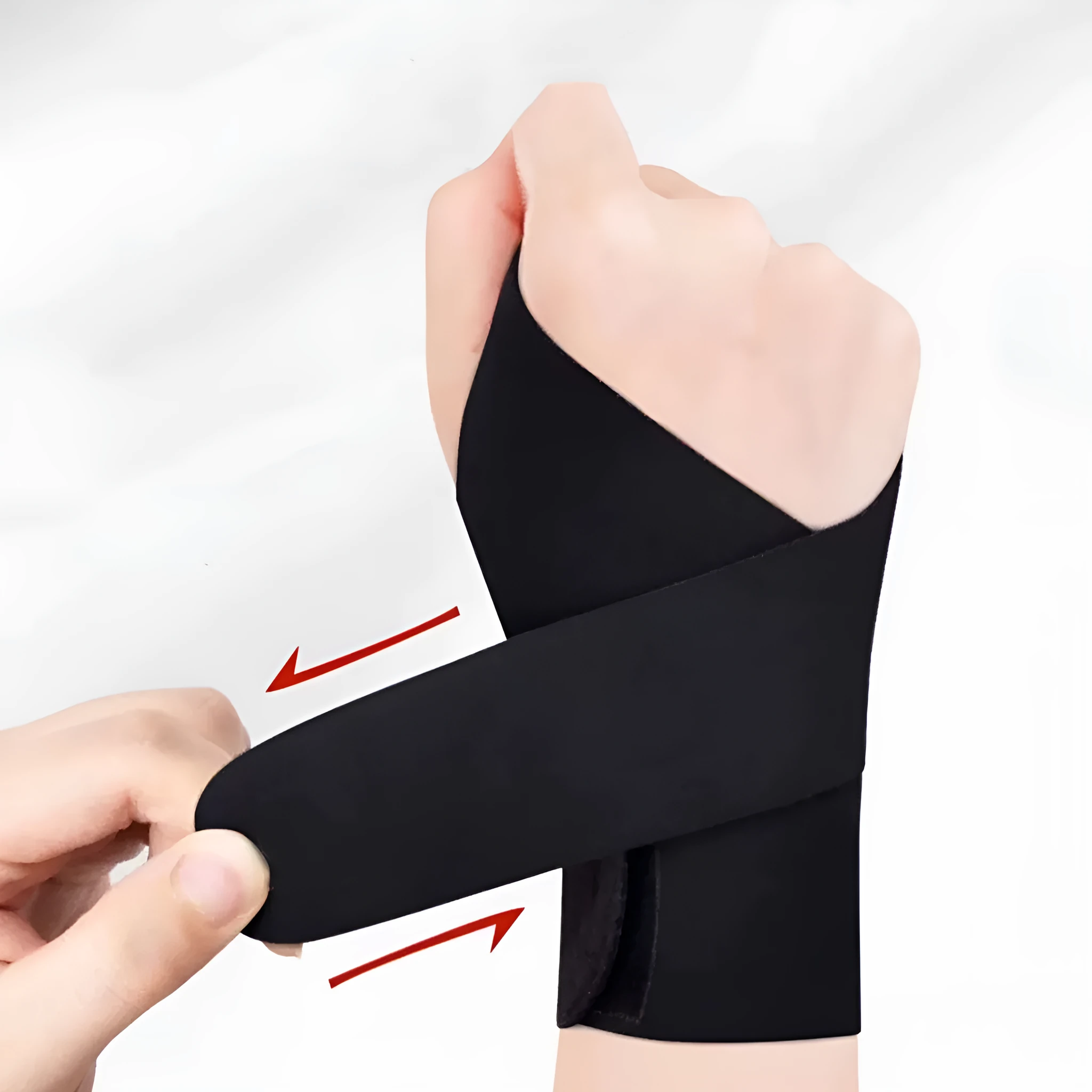
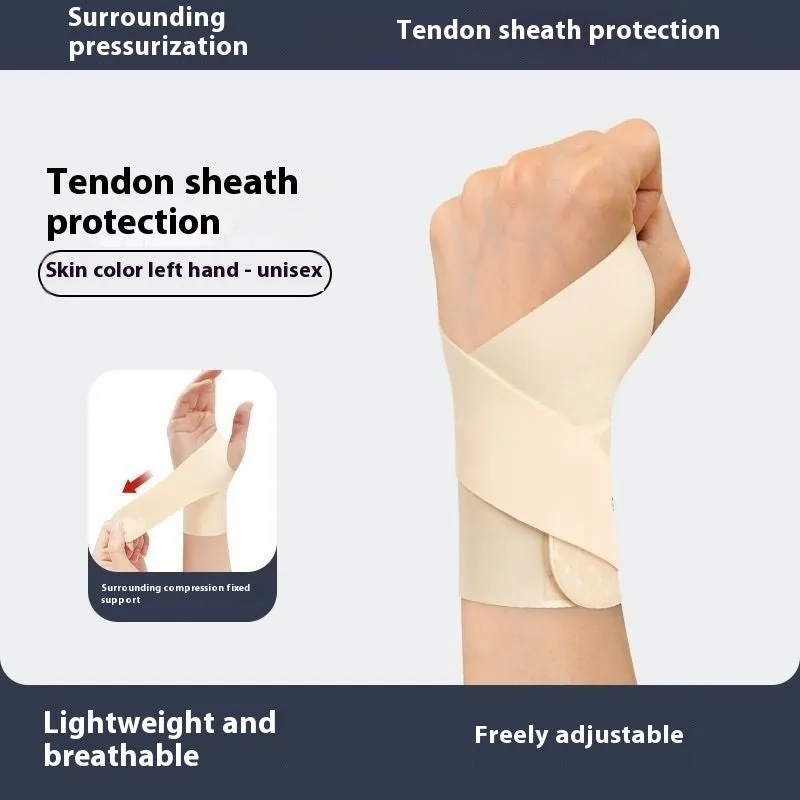
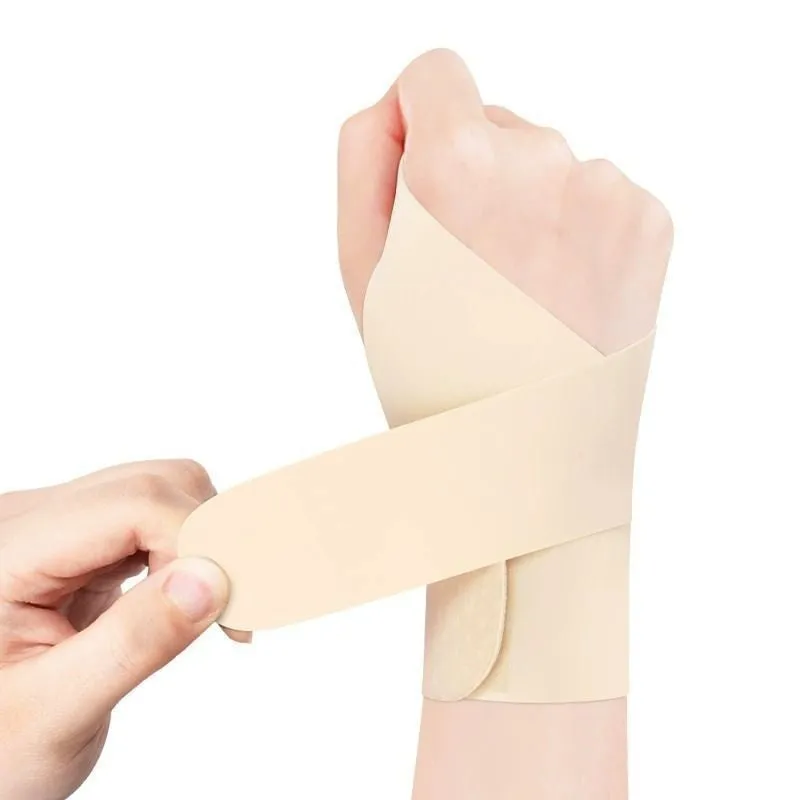
Athletic wristguards for men and women, adjustable fit, breathable thin sheath for fitness, badminton, tennis, volleyball to help manage wrist strain, available in black and skin colour with left and right-hand sewing and voltage styles.


Athletic wristguards for men and women, adjustable fit, breathable thin sheath for fitness, badminton, tennis, volleyball to help manage wrist strain, available in black and skin colour with left and right-hand sewing and voltage styles.
Adjustable Athletic Wristguards for Fitness, Badminton, Tennis and Volleyball
Designed for general use by both men and women, these athletic wristguards aim to provide targeted wrist support across a diverse spectrum of physical activities. The product's core value lies in its application for sports involving repetitive wrist motion or impact, such as racquet sports, fitness training, and team games. With an adjustable fit and a breathable, thin sheath construction, the wristguards are intended to offer practical strain management without adding significant bulk or hindering movement, making them a consideration for athletes and fitness enthusiasts engaged in activities from running and hiking to winter sports.
Features and Construction

The wristguards are characterised by several key features derived directly from their stated design and intended use. The construction focuses on delivering support through a specific form factor suited to athletic environments.
Material and Build
Described as a thin sheath, the wristguards' material is engineered for athletic scenarios where breathability and a close fit are priorities. This type of construction typically uses lightweight, synthetic fabrics that wick moisture and allow for airflow, which is relevant for maintaining comfort during prolonged wear in activities like fitness training, running, or racquet sports. The build focuses on providing a supportive layer directly to the wrist joint.
Size and Practical Fit
A central feature is the adjustable design, which allows users to personalise the tightness and security of the fit. This is crucial for effective support, as a wristguard that is too loose may not provide adequate stabilisation, while one that is too tight could restrict blood flow. The adjustability makes the product suitable for a range of wrist sizes, supporting its designation for general use by both men and women across the listed sports.
Uses and Placement

The wristguards are applicable to a clearly defined set of sporting and activity scenarios, indicating a focus on versatile, cross-sport utility rather than specialisation in a single discipline.
Event or Professional Use
While suitable for general use, the product covers sports often played at club or amateur competitive levels, such as badminton, tennis, volleyball, and table tennis. In these contexts, managing wrist strain from serves, smashes, spikes, or repeated strokes is a common concern. The wristguard's thin profile aims to integrate seamlessly with sportswear and equipment without interfering with grip or technique.
Everyday Home Use
Beyond formal sports, the wristguards are also listed for fitness and bodybuilding, running sports, hiking, and camping. This suggests utility in home gym workouts, outdoor jogging, or during activities like trekking where wrist support might be beneficial for carrying loads or using poles. The breathable design is a practical advantage for these everyday or recreational fitness scenarios.
Benefits and Buying Value
The product offers practical benefits centred on its design flexibility and targeted application, providing value through its stated versatility and user-focused options.
Reuse and Low Maintenance
The durable nature of athletic sheath materials typically allows for repeated use across multiple training sessions or sporting events. With straightforward care such as hand washing, the wristguards can be maintained for ongoing use. Their applicability to many different sports listed—from foot basket row sports to ice and snow sports—enhances their potential reuse value for individuals who participate in multiple activities.
Why Choose This Product
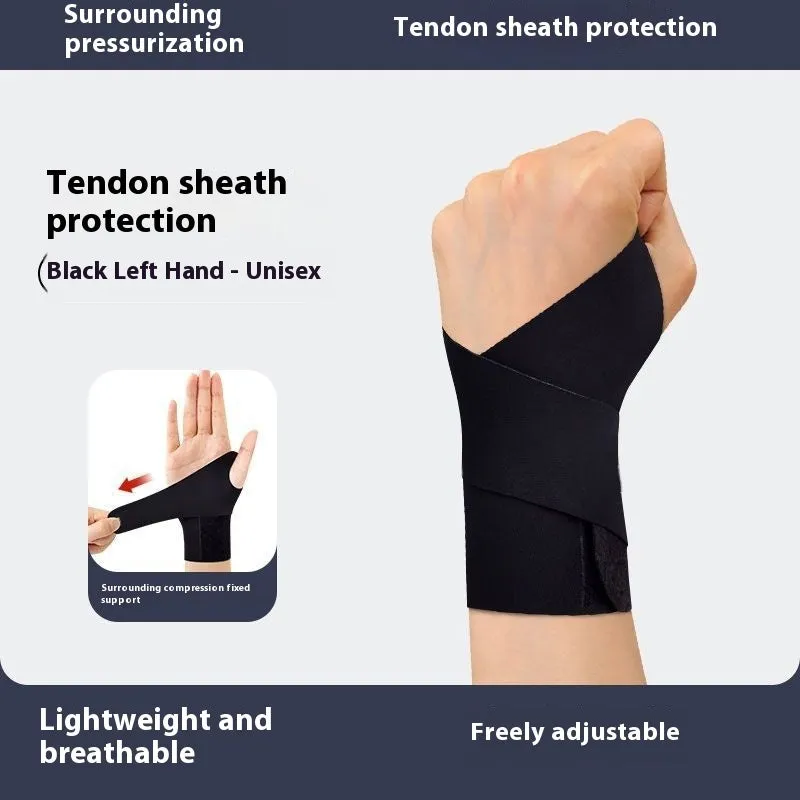
Choosing these wristguards is supported by the specific options they provide: a choice between black and skin colour for discretion or matching sportswear, and critically, the selection between left-hand and right-hand specific styles (in both sewing and voltage variants). This handedness specification indicates a design consideration for the anatomy and support needs of each wrist, which is a concrete differentiator from generic, non-handed supports. The combination of adjustability, breathable thin construction, and style specificity addresses the practical need for personalised, activity-appropriate wrist support.