Digital Angle Ruler, Stainless Steel Woodworking Protractor with Electronic Display, 0–360° Measuring Range, ±0.1 Accuracy, 200mm, 300mm, 500mm Options for Joinery Layout


Digital Angle Ruler, Stainless Steel Woodworking Protractor with Electronic Display, 0–360° Measuring Range, ±0.1 Accuracy, 200mm, 300mm, 500mm Options for Joinery Layout
Stainless Steel Digital Angle Ruler with 0–360° Range and 200mm, 300mm, 500mm Options
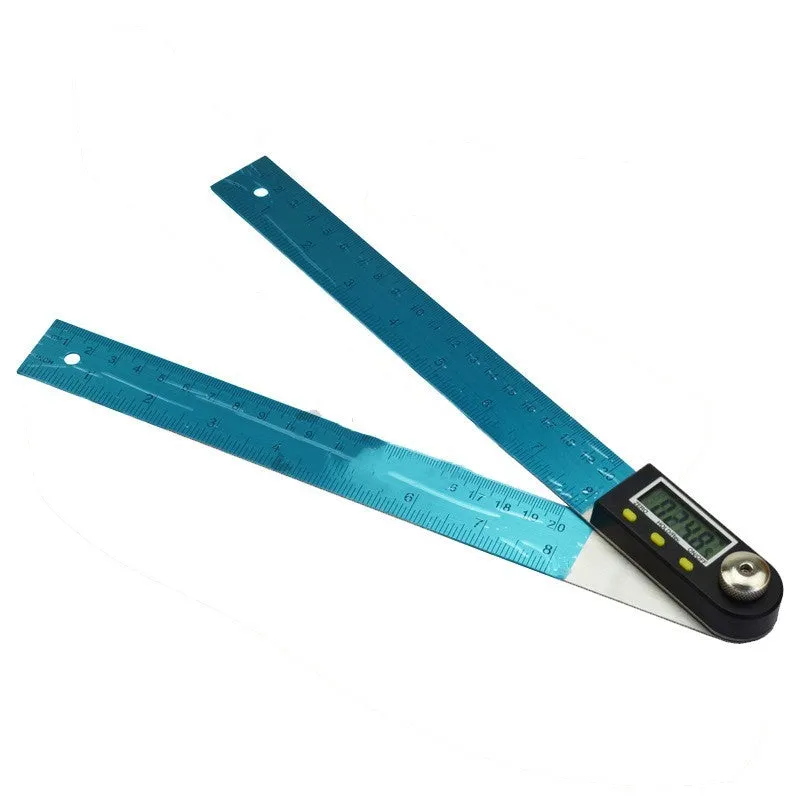
This electronic digital angle ruler brings together a stainless steel rule and protractor function for woodworking measurement. It is intended for buyers who want a numerical angle readout rather than relying solely on a traditional printed protractor scale. The stated measuring range extends from 0–360°, while the available ruler lengths are 200mm, 300mm and 500mm. These options allow the tool to be selected according to the size of the workpiece and the amount of ruler reach required. The product information also gives an accuracy figure of ±0.1 and a listed weight of 250g. One angle ruler is included. This description keeps to those supplied specifications and does not assume unlisted battery, calibration, display or accessory features.
Digital Measurement Features and Construction
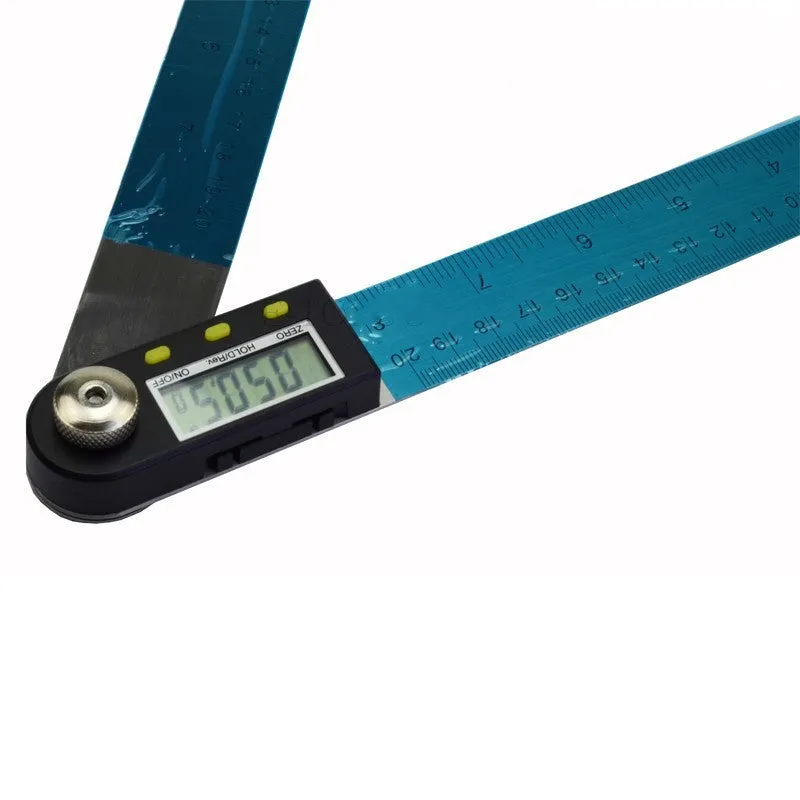
The main specifications concern the display, measuring range, ruler material and stated accuracy. Together, they describe a compact set of functions centred on reading and checking angles in woodworking, with the length chosen separately from the three listed options.
Electronic Display and Measurement
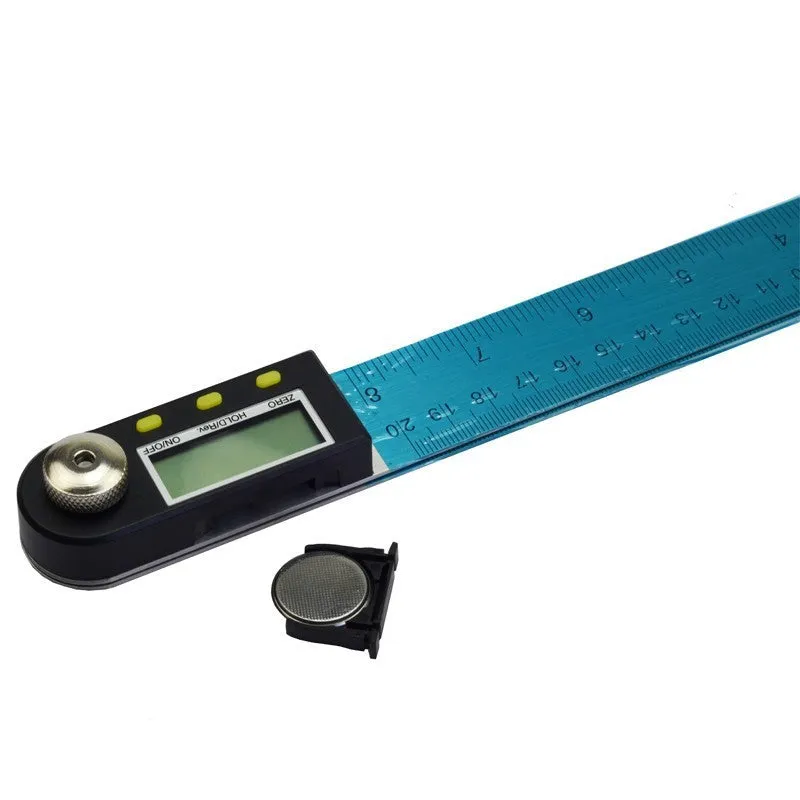
The electronic digital display is the feature that distinguishes this tool from a basic stainless steel rule with manually interpreted angle markings. It provides a numerical readout for the angle being measured, giving the user a direct figure to note when setting out or checking woodworking work. The display and protractor functions are combined in one listed instrument, so there is no need to treat the ruler and angle-reading element as separate package items. The source does not state the display size, resolution, button layout, power source or automatic functions. Those details should therefore not be assumed when comparing this ruler with other digital measuring instruments.
Stainless Steel Ruler Construction
Stainless steel is the only construction material identified in the supplied product information. This establishes that the measuring rule has a metal build, but it does not identify the steel grade, thickness, surface finish or any applied coating. The material description should consequently be read as a straightforward specification rather than evidence for unlisted strength or wear ratings. No plastic, rubber or other component materials are separately named, even though the instrument includes an electronic display. Buyers who require a full component-by-component material breakdown will need further information. The listed construction is nevertheless sufficient to identify the product as a stainless steel woodworking angle ruler rather than a general printed measuring guide.
Accuracy and Full Circle Range
The measuring range is stated as 0–360°, covering angles through a complete full-circle range. This is separate from the physical ruler length: changing from 200mm to 500mm does not alter the range quoted in the source. Accuracy is listed as ±0.1, but no unit accompanies that number. It is therefore reported here exactly as supplied, without converting it into degrees or attaching an unsupported tolerance statement. For routine layout reference, the two figures give buyers the principal measurement specifications. Anyone using the ruler for work with a formally specified tolerance should confirm the accuracy unit and any applicable testing conditions before relying on the listed figure.
Length Options for Woodworking Tasks
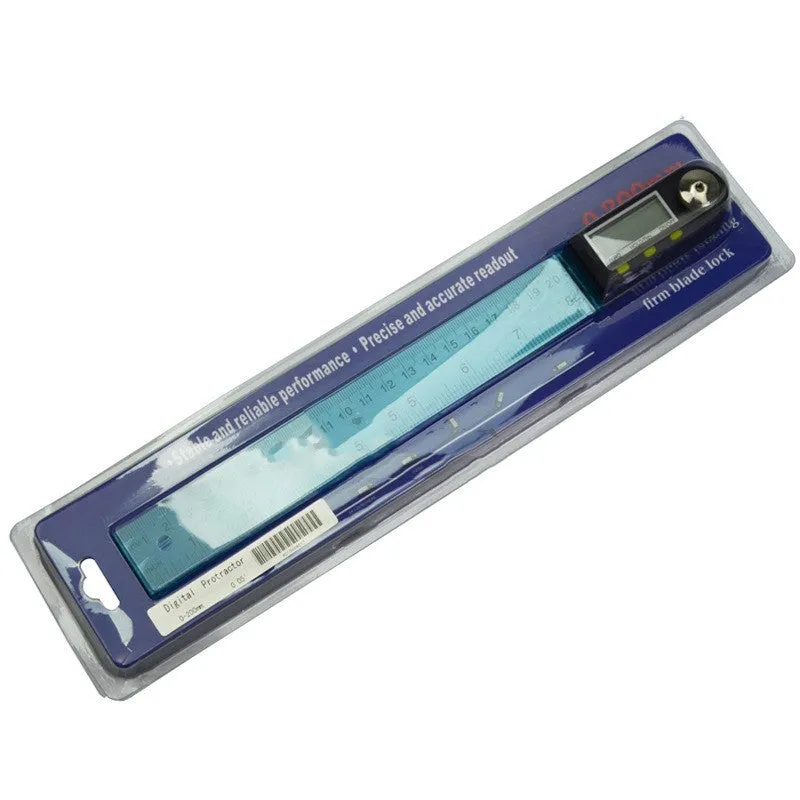
Three ruler lengths provide a concrete basis for selecting the instrument. The choice concerns rule reach rather than measuring range, and the supplied data does not allocate different accuracy figures, features or package contents to individual lengths.
Choosing Between Three Ruler Lengths
The 200mm option is the shortest listed ruler, the 300mm option sits between the two other sizes, and the 500mm option provides the greatest listed rule length. A buyer can use those measurements to compare the tool with the timber sections, boards or layout areas on which it will be placed. Selecting a length should be based on the physical reach wanted from the rule, because all three are presented under the same 0–360° measuring range. Width, thickness and folded or extended overall dimensions are not given. The stated lengths should therefore not be interpreted as complete external dimensions for the electronic assembly.
Workshop Marking and Joinery Layout
As a woodworking angle ruler and protractor, the tool is relevant to tasks where an angle needs to be read, transferred or checked before further work is carried out. Typical buying considerations include whether the numerical display is preferred to a manual scale and whether the selected rule length spans the area being assessed. It can be considered for joinery layout, timber marking and general workshop angle checks without requiring a separate protractor listing. The source does not identify specialised functions for particular joints, machinery or cutting systems. It is best selected as a general digital angle-measuring instrument, with compatibility for any specialist setup checked independently.
Weight and General Handling Information
A weight of 250g is included in the product specification. This gives buyers a stated handling figure, but the information does not explain whether it applies equally to the 200mm, 300mm and 500mm versions or whether packaging is included. No variant-specific weight table is available, so the figure should be treated as the general listed product weight rather than a precise comparison between all three options. Dimensions for the display housing and details of any grip surfaces are also absent. For storage or tool-organiser planning, the chosen ruler length is the only confirmed linear measurement, and additional space requirements should be confirmed if they are critical.
Buying Details and Practical Care
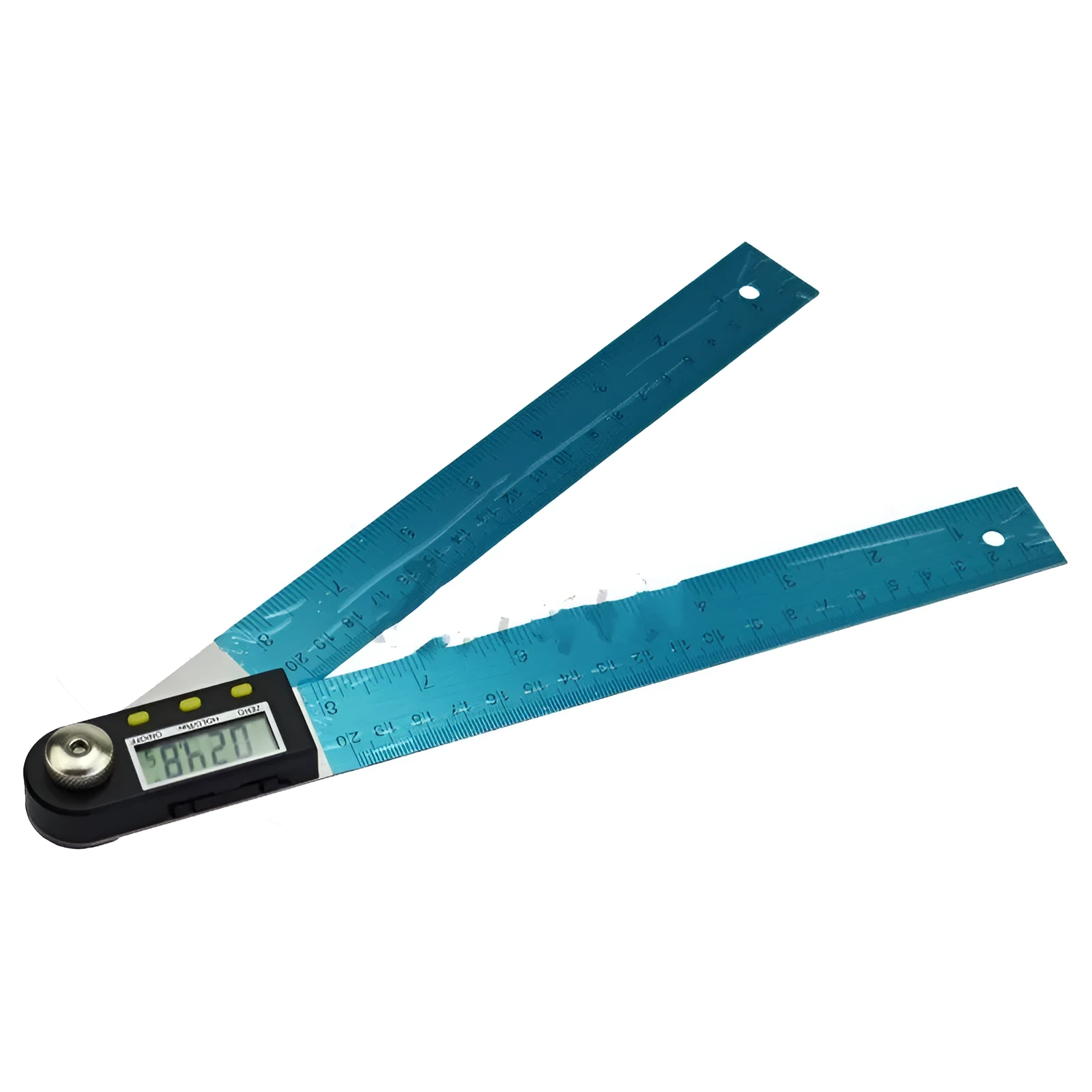
The packing list is brief and identifies one angle ruler. The following details clarify what can be confirmed at purchase, which specifications remain open, and how modest care can help keep the measuring surfaces and display area in usable condition.
Selecting the Right Listed Option
Start by choosing 200mm, 300mm or 500mm as the required ruler length. Next, check that the 0–360° range covers the intended angle-checking work and that a digital readout suits the preferred measuring process. If tolerance is important, ask for clarification of the ±0.1 accuracy figure because its unit is not supplied. The same applies if an exact weight is needed for a particular length. These checks keep the purchase decision tied to known information and avoid treating all unlisted details as standard features. The three sizes are ordering options, not a claim that three rulers are included in the package.
Package Contents and Supplied Information
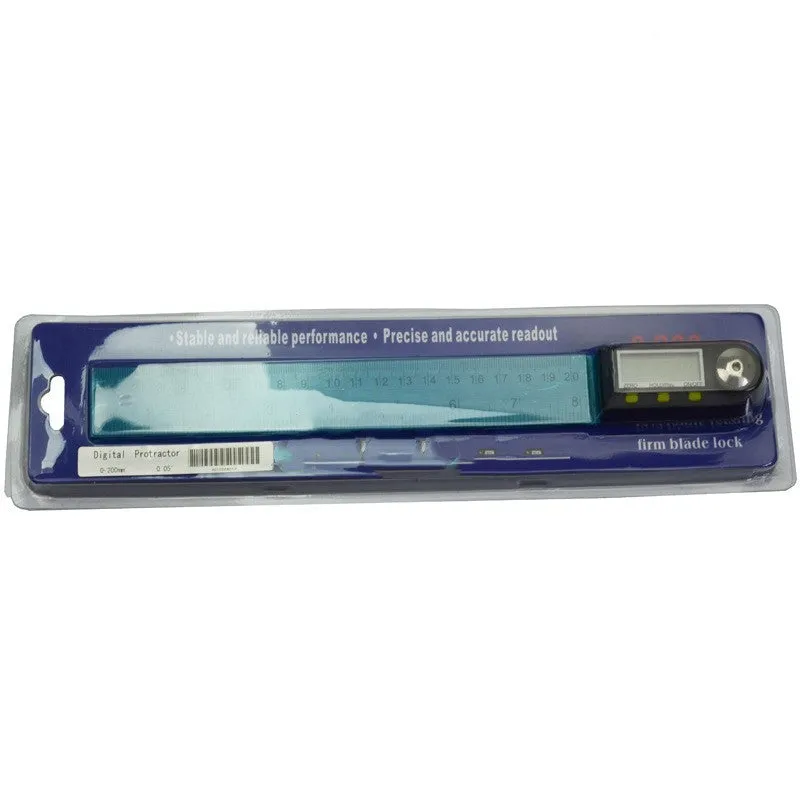
The packing list states one angle ruler. It does not list a case, spare rule, charging lead, battery, calibration certificate or additional woodworking accessory, so none of these should be assumed to form part of the contents. The three length values refer to selectable product options rather than separate items supplied together. Product information identifies the material, range, accuracy figure, lengths and weight, but provides no battery installation or operating sequence. Buyers who need those instructions before use should request them from the seller. Keeping the confirmed contents separate from possible accessories makes it easier to compare the listing with other digital protractors on a like-for-like basis.
Basic Care and Measurement Checks
Only low-risk care is appropriate in the absence of a manufacturer care guide. Keep the ruler clean and dry, remove woodworking dust with a soft cloth, and avoid immersion or wet cleaning around the electronic display because no water-resistance rating is stated. Store it where the rule and display area will not be struck by loose workshop tools. Before a measurement on which a cut depends, check that the rule sits correctly against the workpiece and consider verifying the setup against a known reference. No calibration interval or specialist adjustment process is supplied, so users should not attempt an unsupported calibration procedure.