
STM32F103C8T6 ARM STM32 minimum system development board module microcontroller core board with Cortex-M3 CPU, 72MHz frequency, 64KB flash, 20KB SRAM, 5.3cm x 2.2cm compact size, on-board Mini USB interface for power and communication


STM32F103C8T6 ARM STM32 minimum system development board module microcontroller core board with Cortex-M3 CPU, 72MHz frequency, 64KB flash, 20KB SRAM, 5.3cm x 2.2cm compact size, on-board Mini USB interface for power and communication
STM32F103C8T6 Minimum System Development Board with ARM Cortex-M3 Core and On-Board USB
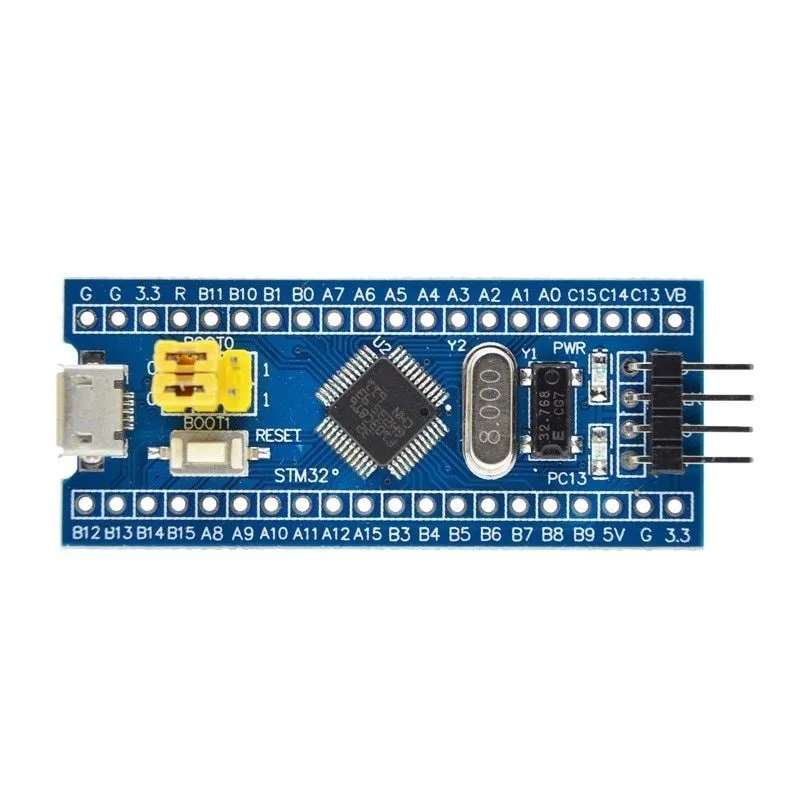
This STM32F103C8T6 minimum system development board offers electronics enthusiasts, students, and engineers a fully assembled foundation for projects based on the popular ARM Cortex-M3 architecture. By integrating the core microcontroller, clock circuitry, power regulation, and a USB interface onto a single compact board measuring 5.3cm by 2.2cm, it removes the initial hurdles of circuit design and soldering. Users can focus immediately on software development, prototyping, and learning the capabilities of the STM32F1 series. The board is particularly suited for applications in robotics, data acquisition, motor control, and IoT device prototypes where a balance of processing power, memory, and physical size is required.
Features and Construction
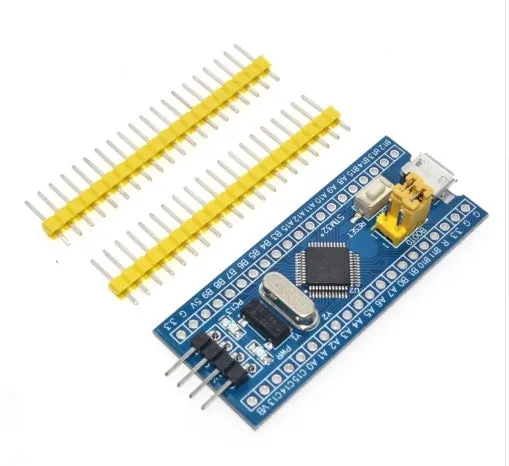
The board is built around the central STM32F103C8T6 microcontroller, providing all necessary support components in a minimal footprint. This design philosophy allows for immediate functionality upon receiving power.
Material and Build
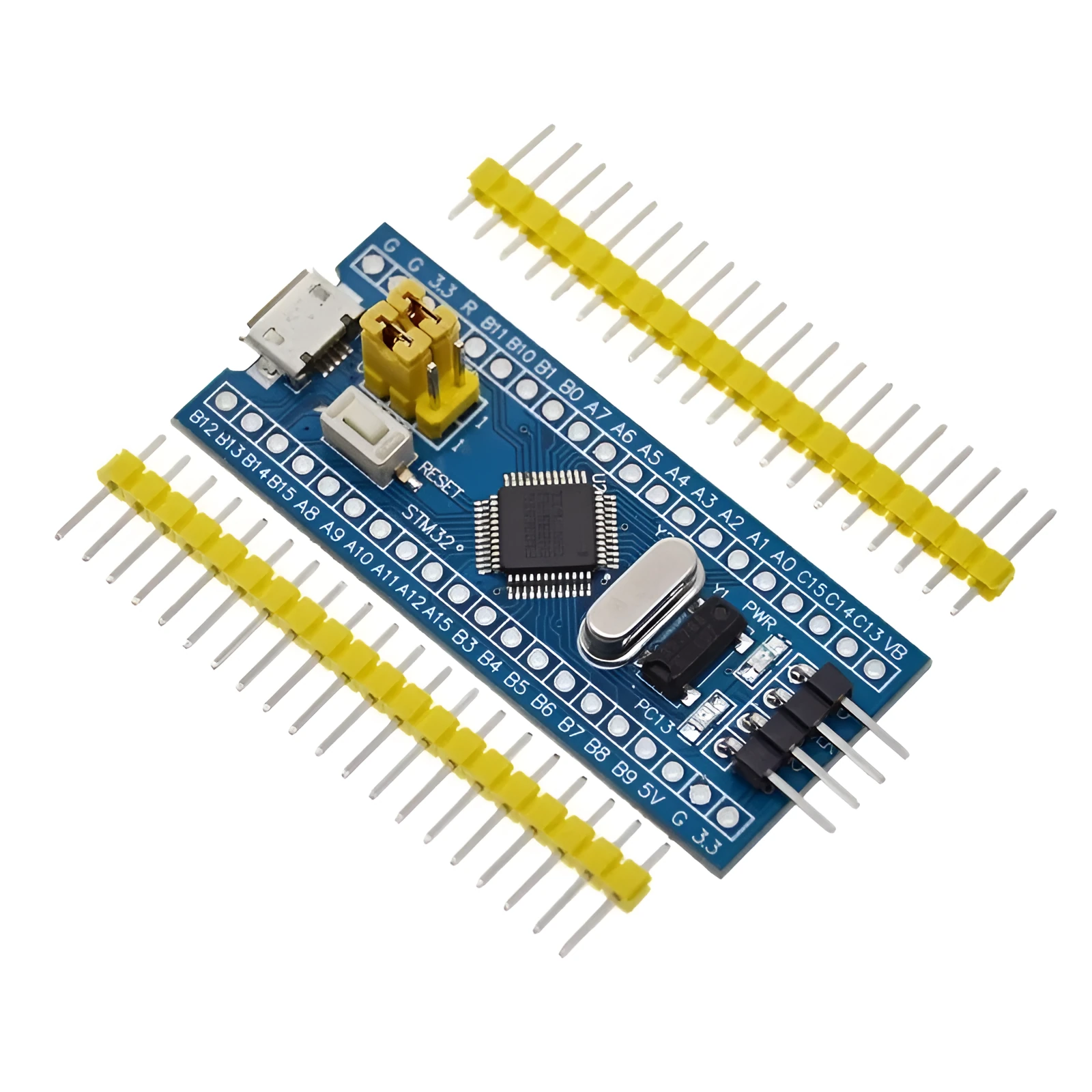
The board is constructed on a standard FR-4 printed circuit board (PCB) which hosts the surface-mount STM32F103C8T6 integrated circuit, a Mini USB connector, a crystal oscillator footprint, power regulation circuitry, status LEDs, and pin headers. The layout provides clear access to all microcontroller I/O pins via the surrounding headers, facilitating easy connection to sensors, displays, and other peripherals. The use of a dedicated voltage regulator ensures stable power delivery to the sensitive core from the 5V USB input.
Size and Practical Fit
With dimensions of 5.3cm in length and 2.2cm in width, this development board is designed for compactness. Its small form factor makes it an ideal choice for embedding into final prototype enclosures or for use on crowded breadboards where space is at a premium. The pin headers are arranged along the board's edges, providing a standard 2.54mm (0.1-inch) pitch that is compatible with common jumper wires and breadboards.
Uses and Placement
The board serves as a versatile platform for a wide range of embedded system applications, from academic exercises to professional proof-of-concept designs.
Event or Professional Use
In educational settings, such as university labs or workshop courses, this board provides a hands-on tool for teaching real-time operating systems, peripheral interfacing (like SPI, I2C, USART), and ARM architecture programming. For professional engineers, it acts as a rapid prototyping vehicle to validate firmware for the STM32F103 series before designing a custom PCB, significantly reducing initial development time and cost.
Everyday Home Use
For hobbyists and makers, this development board is a gateway to creating custom home automation devices, drone flight controllers, custom gaming peripherals, or data loggers. The on-board Mini USB port simplifies the connection to a personal computer for both power and serial data transfer, making it straightforward to program and monitor applications without an external power supply or USB-to-serial adapter.
Benefits and Buying Value
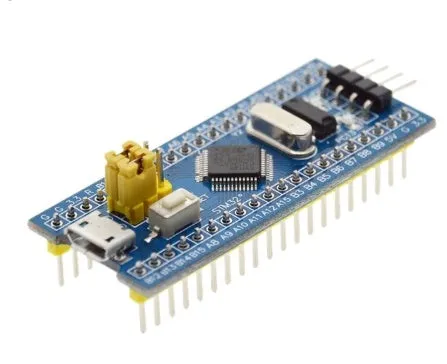
The primary value of this minimum system board lies in its readiness for development and its focused component selection, which targets the core needs of an STM32F103 project.
Reuse and Low Maintenance
The board is a durable, reusable platform. Once a project is completed, the board can be reprogrammed indefinitely for a new application, offering long-term utility. Its solid-state construction with no moving parts requires virtually no maintenance, and the common 5V USB power input means it can be powered from countless sources like laptop ports, phone chargers, or power banks.
Why Choose This Product
This board is chosen for its specific combination of the capable STM32F103C8T6 microcontroller (72MHz, 64KB Flash, 20KB SRAM) and essential integrated features like USB. Compared to a bare microcontroller chip, it saves significant time and effort. Compared to larger, more feature-rich development kits, it offers a cost-effective and space-efficient solution when advanced features like touchscreens or numerous sensors are not required for the task at hand.