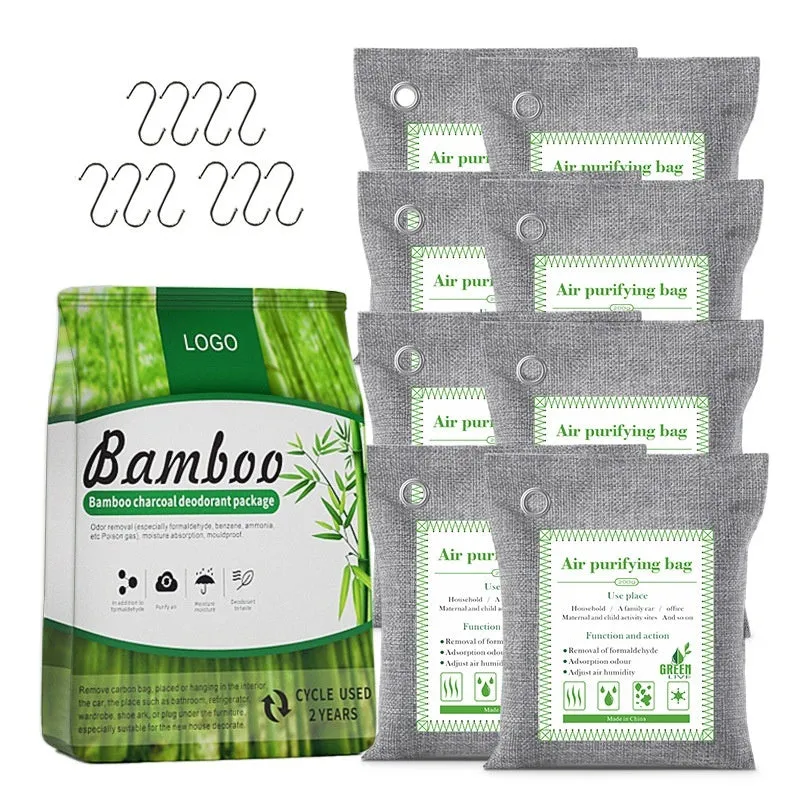
Bamboo charcoal bag household formaldehyde removal activated carbon for air purification, available in 100g, 200g, or 500g sewing style bags, ideal for new houses, cars, wardrobes, and cabinets to absorb odours and improve indoor air quality.


Bamboo charcoal bag household formaldehyde removal activated carbon for air purification, available in 100g, 200g, or 500g sewing style bags, ideal for new houses, cars, wardrobes, and cabinets to absorb odours and improve indoor air quality.
Bamboo Charcoal Air Purifying Bags for Formaldehyde Removal and Odour Control in Homes
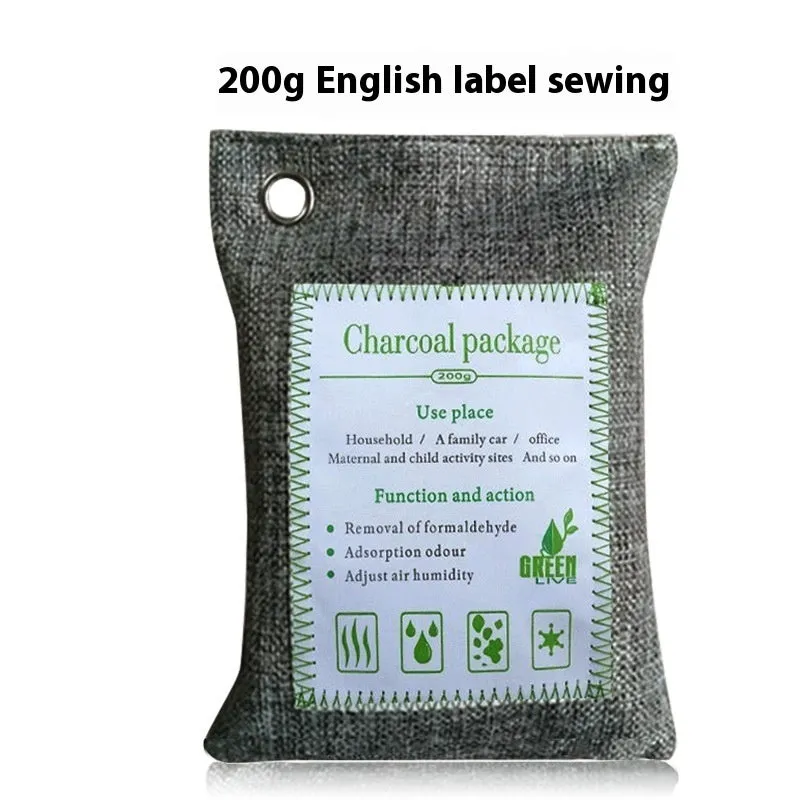
Managing indoor air quality is a common consideration, especially after moving into a new home, following renovations, or when dealing with confined spaces like wardrobes and cars where odours can accumulate. These bamboo charcoal bags offer a passive, maintenance-free approach to air freshening, utilising the natural adsorption properties of activated carbon. They are designed to work continuously without power, making them a simple addition to various domestic environments. The product is provided in multiple sizes and pack quantities, allowing users to select an option suited to the scale of their needs, from a single cabinet to an entire room.
Features and Construction
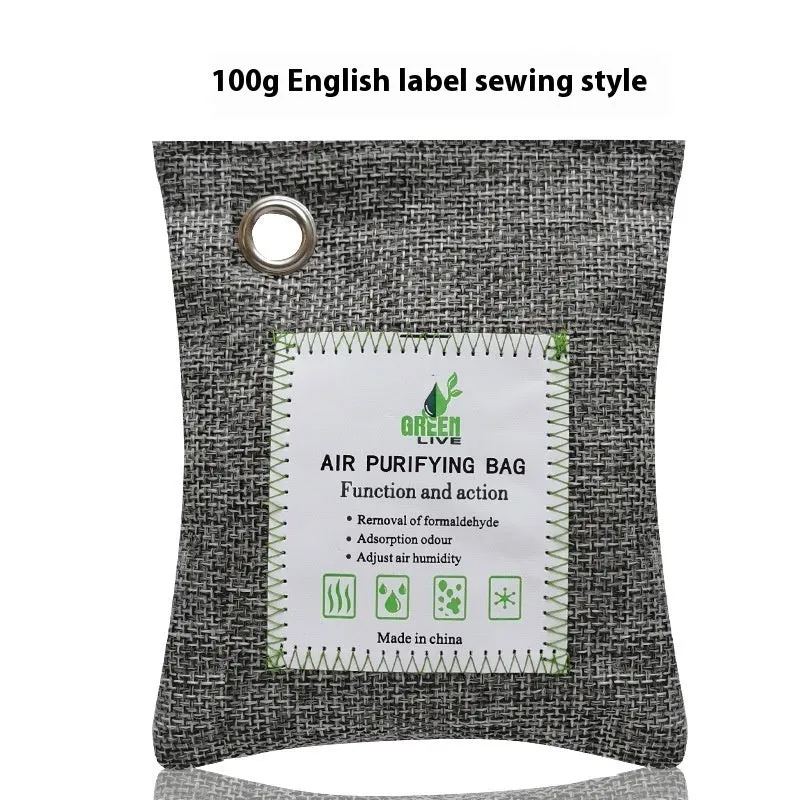
The core functionality of these bags centres on air purification, specifically targeting formaldehyde and general odours. The construction is straightforward, prioritising practical application over complex mechanisms.
Material and Build
The active ingredient within each bag is activated charcoal derived from bamboo. This form of carbon is processed to have a highly porous structure, which gives it a large surface area for trapping gas molecules and odours from the air. The charcoal is contained within a fabric bag made using a sewing style, which keeps the charcoal dust contained while permitting air to flow through the material, essential for the adsorption process to occur. The source text does not specify the exact fabric type or provide data on the charcoal's absorption capacity or lifespan.
Size and Practical Fit
To accommodate different spaces and purification needs, the bags are offered in three distinct weights: 100g, 200g, and 500g. The larger 500g bag is suited for more spacious areas like living rooms or bedrooms, while the 100g and 200g options are ideal for smaller, enclosed spaces such as inside drawers, cars, or compact cabinets. The physical dimensions of the bags are not specified, but their varying weights indicate a scalable solution. They can be purchased individually or in a five-pack, providing flexibility for treating multiple areas at once or having a spare on hand.
Uses and Placement
The application for these charcoal bags is broad, targeting both specific problem areas and general room air quality. Their passive operation makes them versatile for a range of settings.
Event or Professional Use
While primarily designed for household use, the bags could be relevant in scenarios like property staging, where a neutral-smelling environment is desirable, or in small office spaces, reception areas, or rental vehicles where odour control between users is beneficial. Their non-electrical, chemical-free operation makes them a low-profile option for commercial settings concerned with air quality without the need for plug-in appliances.
Everyday Home Use
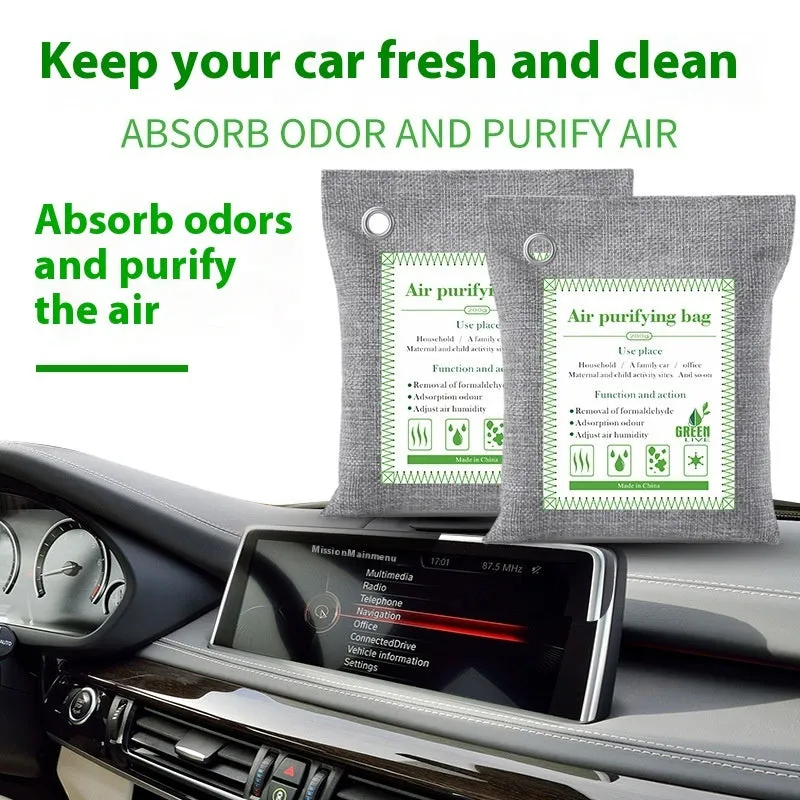
The primary intended use, as indicated by the source text, is in new houses—a common scenario where building materials and finishes may off-gas volatile organic compounds (VOCs) like formaldehyde. They are also recommended for cars, where lingering food, tobacco, or pet odours can be problematic. Within the home, placing them in wardrobes helps absorb musty smells and keeps stored clothes fresher, while use in kitchen cabinets can help neutralise cooking odours. Their simple design means they can be tucked out of sight while still performing their function.
Benefits and Buying Value

The value of this product lies in its simplicity, targeted functionality, and the flexibility offered by its size options. It addresses a specific need without overcomplication.
Reuse and Low Maintenance
A practical advantage of charcoal-based purifiers is their potential for regeneration, although the source text does not provide specific instructions or confirm this capability. Generally, some activated charcoal can be refreshed by placing it in sunlight, which may release trapped moisture and odours. The bags themselves require no ongoing maintenance, filters to replace, or batteries to charge, contributing to a low-effort user experience. Their durability is tied to the charcoal's adsorption capacity, which is not quantified here.
Why Choose This Product
Choosing this product is based on the need for a specific, material-based solution for air quality concerns. It is distinct from electric air purifiers or scented sprays, offering a physical adsorption method. The key differentiators are the use of bamboo-derived charcoal and the availability of multiple bag weights (100g, 200g, 500g) and pack sizes (1 or 5 pieces). This allows buyers to match the product closely to their specific space and budget, whether treating a single car glovebox or several rooms in a new home. The decision rests on preferring a passive, natural-material approach to air care.