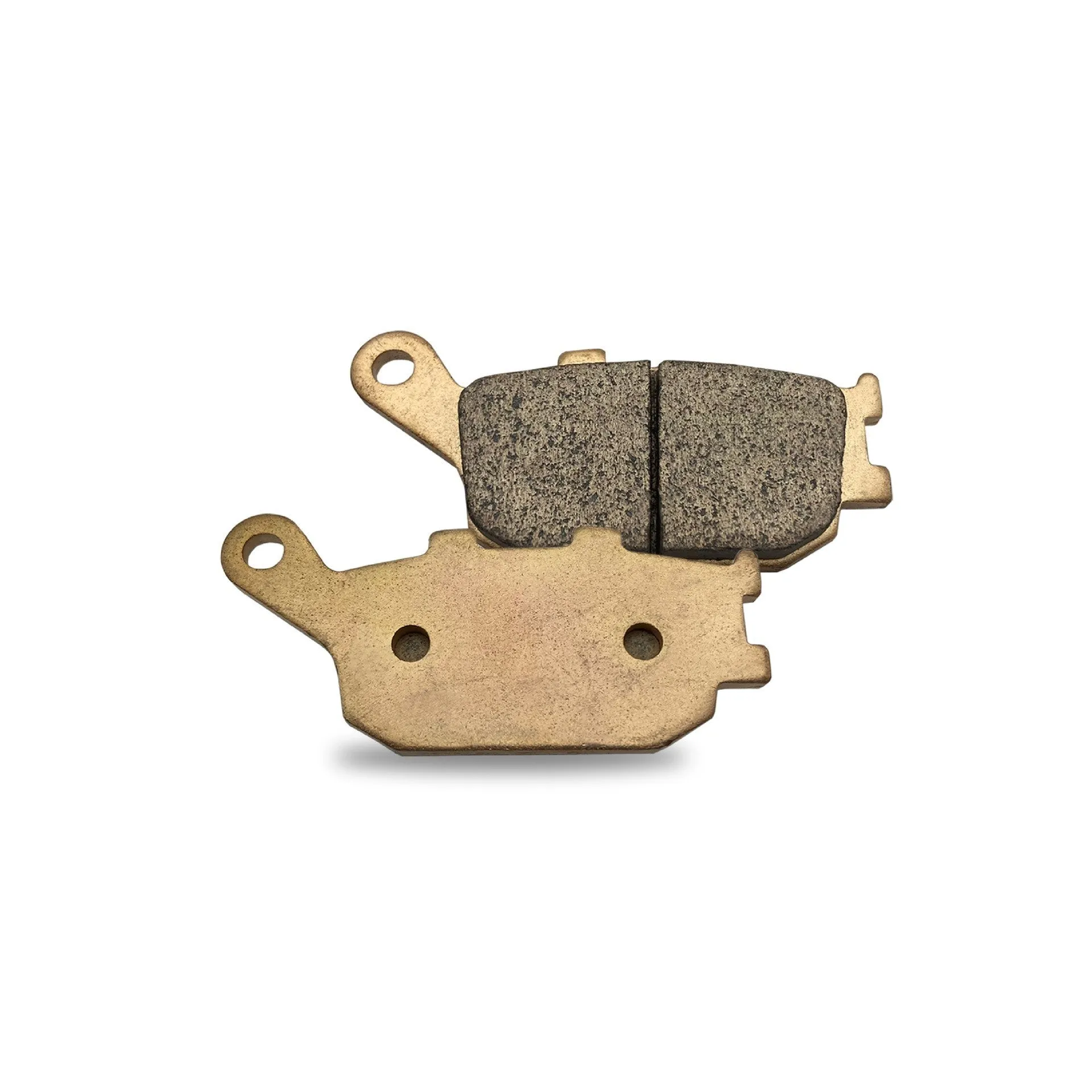
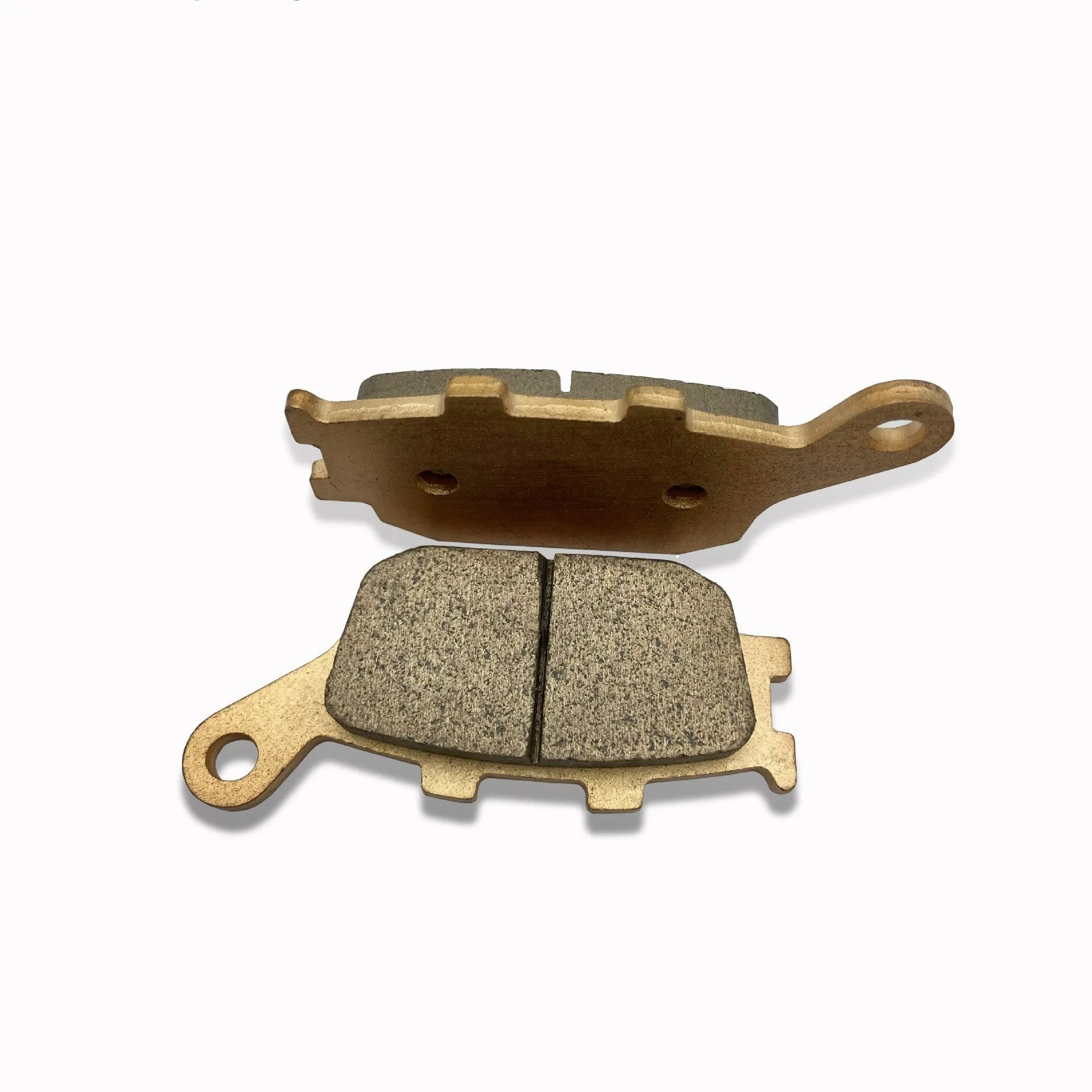
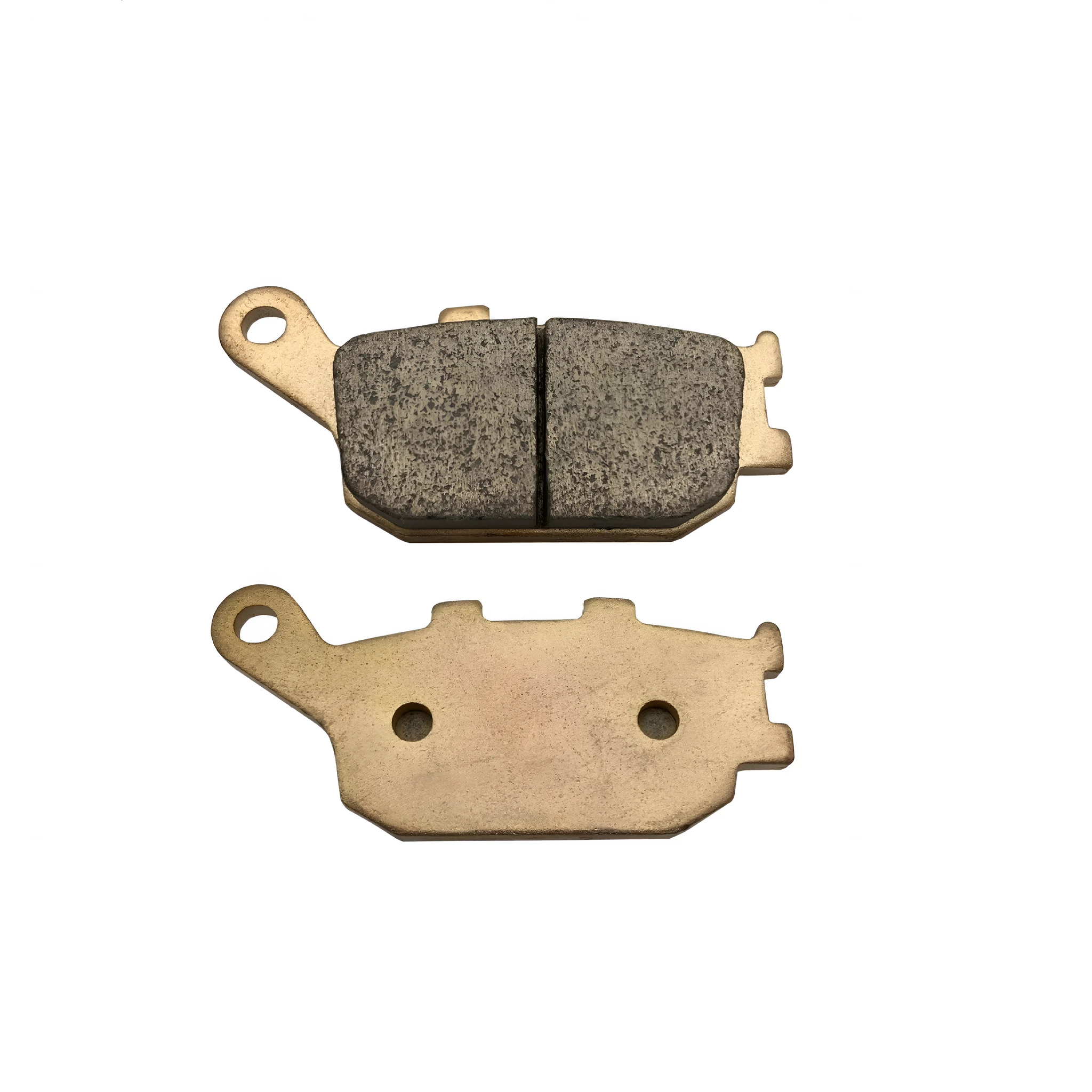
CBR954RR motorcycle brake pad asbestos-free sintered rear brake pad for Honda CBR900RR-03, CBR929RR, CBR954RR models replacement part


CBR954RR motorcycle brake pad asbestos-free sintered rear brake pad for Honda CBR900RR-03, CBR929RR, CBR954RR models replacement part
CBR954RR Rear Brake Pad: Asbestos-Free Sintered Replacement for Honda Models
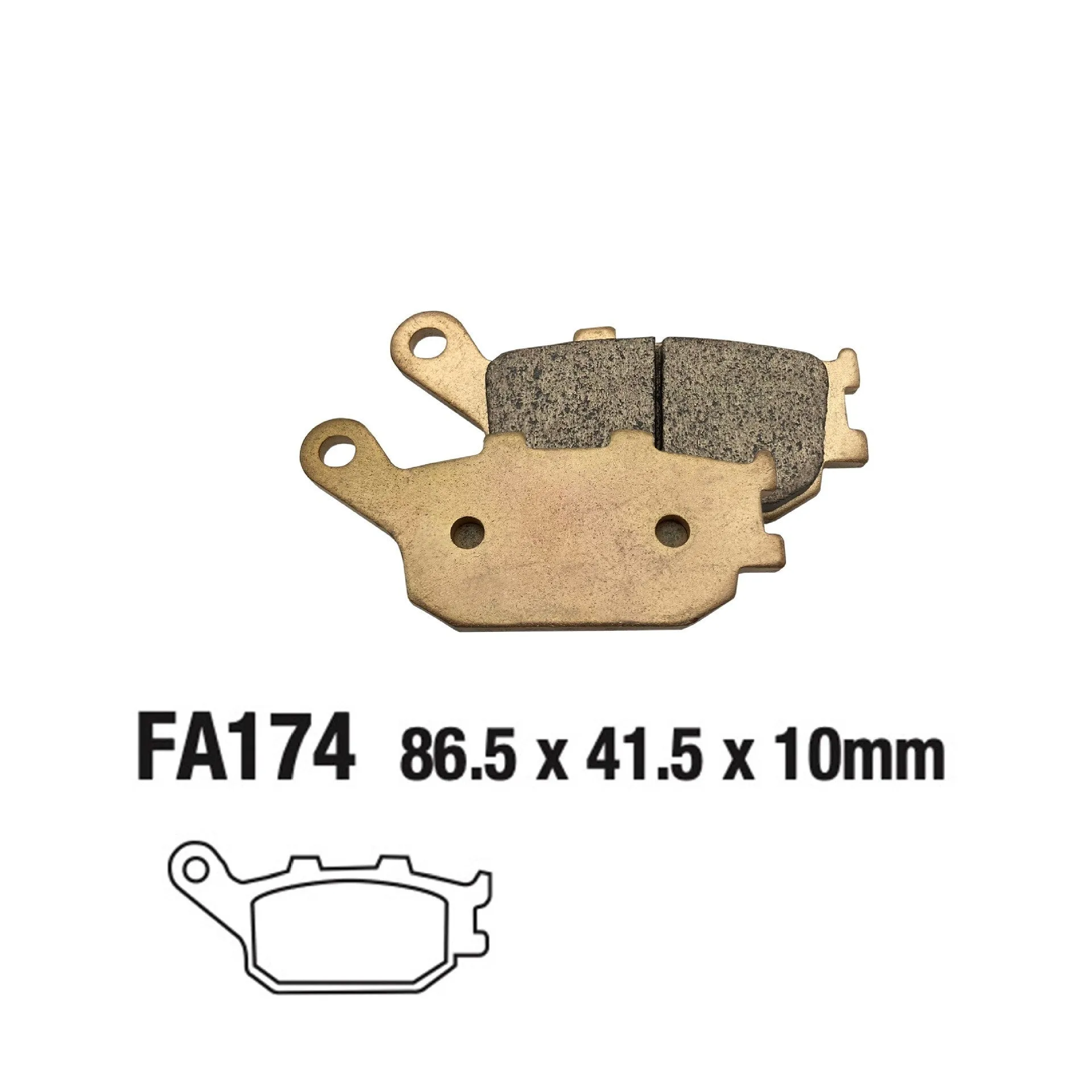
This product is a specific replacement brake pad designed for the rear braking system of several Honda CBR sport motorcycle models. It serves as a maintenance part for riders and mechanics who need to service the brakes on a CBR900RR-03, CBR929RR, or CBR954RR. The key stated feature is its construction from an asbestos-free sintered material, which provides a clear material specification for those selecting replacement components. Supplied as a single unit, it is intended for the direct replacement of worn brake pads within the compatible caliper assembly.
Features and Construction
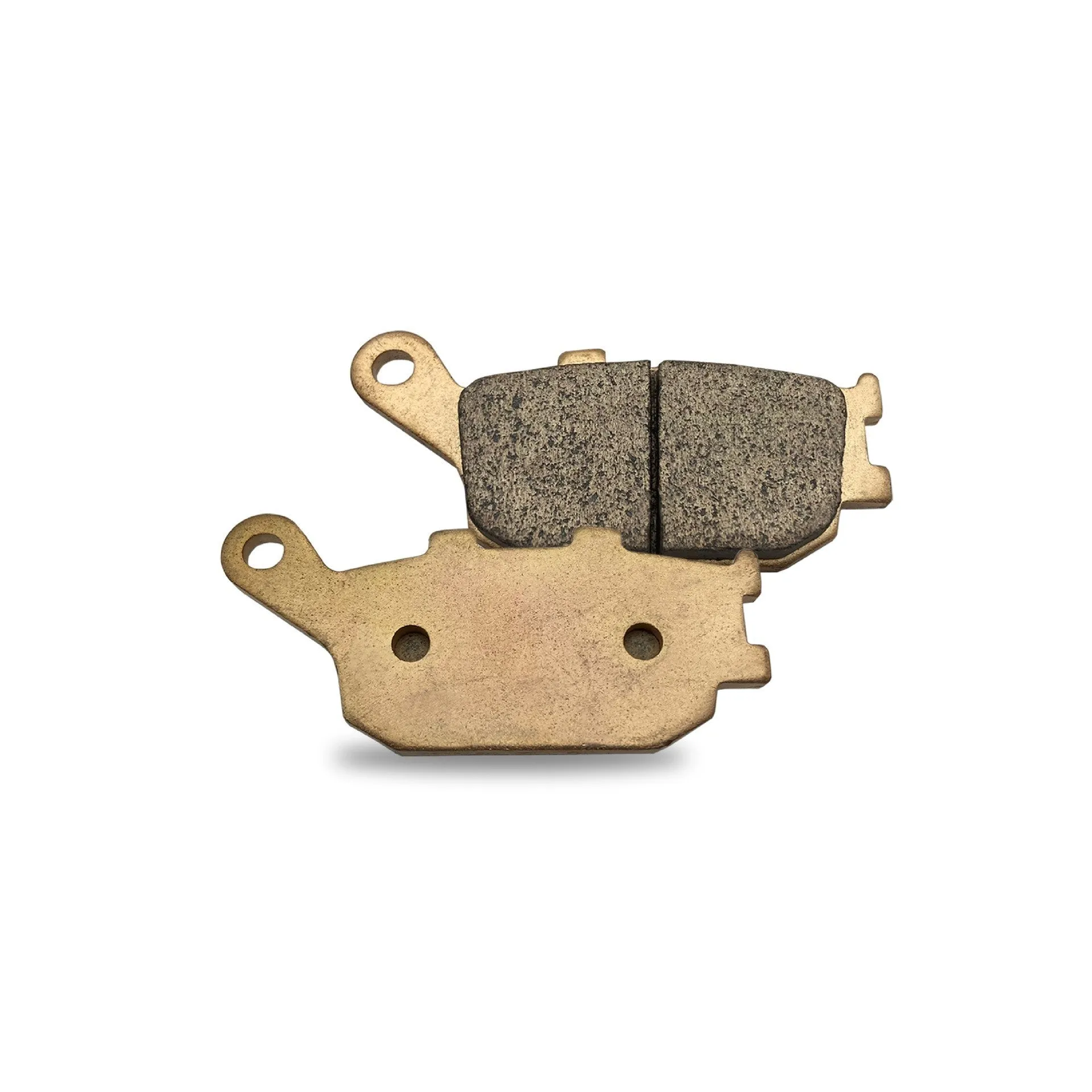
This brake pad is defined by its application and its material makeup. It is not a generic part but is engineered to fit precisely into the rear brake calipers of the listed Honda CBR models, ensuring correct physical fitment and function. The construction centres on the use of a sintered compound that is explicitly free from asbestos.
Material and Build
The friction material is described as an asbestos-free sintered compound. Sintering is a manufacturing process that fuses metallic and other particles under heat and pressure to create a durable, consistent friction surface. The "asbestos-free" designation is a specific material choice, relevant for users with material preference or regulatory considerations. No further data on material composition percentages, hardness, or specific friction coefficients are provided in the source information.
Size and Practical Fit
The primary fitment information confirms compatibility with the Honda CBR900RR-03, CBR929RR, and CBR954RR motorcycles as a rear brake component. This model-specific design is crucial for correct installation, brake performance, and safety. The pad shape, backing plate, and any mounting hardware are presumed to match the original equipment specifications for these models, though exact dimensional drawings are not included in the source text provided.
Uses and Placement
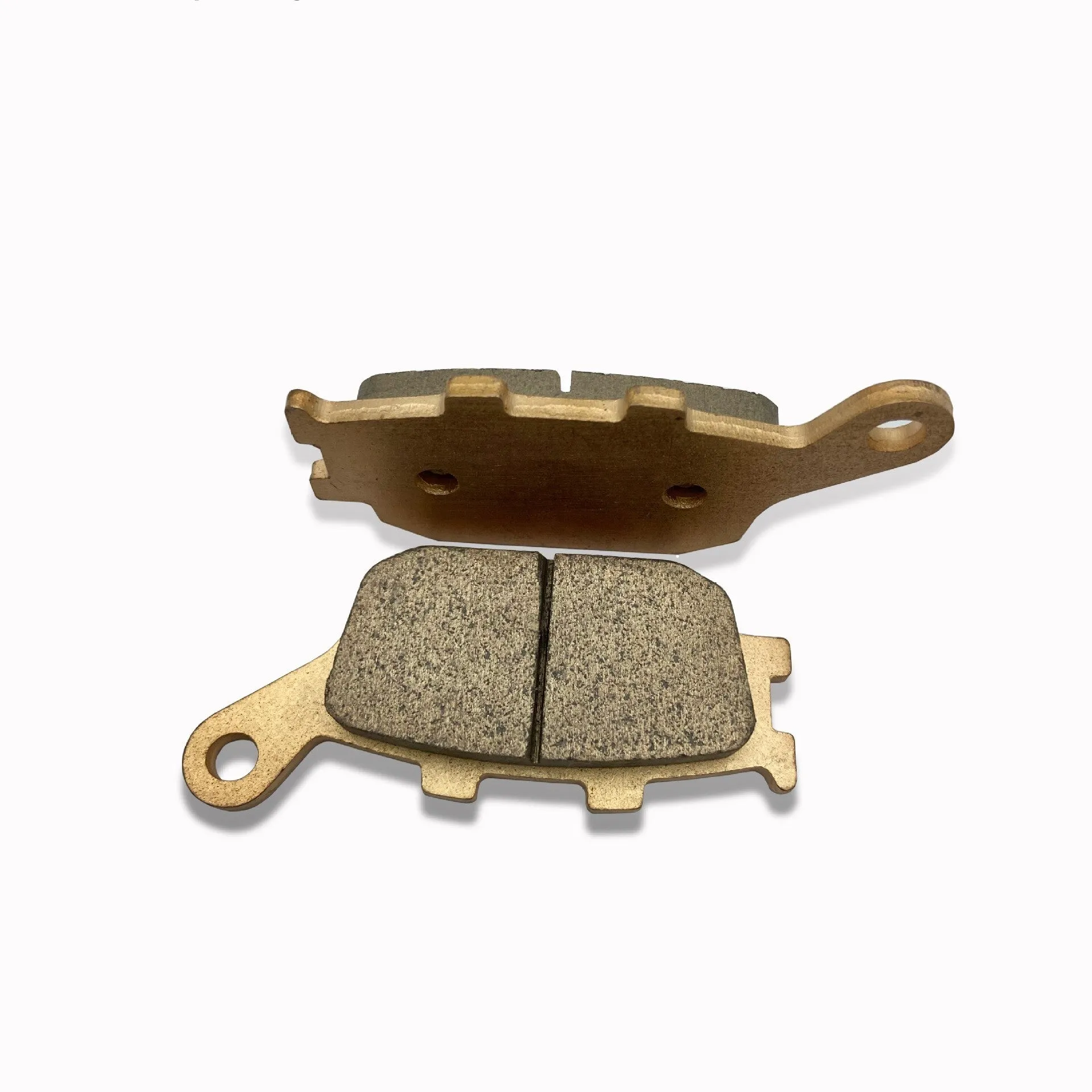
This part has a clear and singular use case: it is a consumable replacement component for motorcycle brake system maintenance. Its application is tied directly to the vehicle models listed, making it unsuitable for other motorcycles or vehicles without verification.
Event or Professional Use
For professional mechanics or dealerships servicing these specific Honda CBR models, this pad provides a compatible, asbestos-free replacement option for routine maintenance or repair jobs. It allows for the restoration of braking function on customer bikes using a part with a defined material specification. Riders participating in track days or regular spirited riding who undergo more frequent pad wear may also find this a relevant replacement part.
Everyday Home Use
For the home mechanic or motorcycle enthusiast owning one of the compatible CBR models, this pad enables a DIY brake service. The model-specific nature reduces the risk of ordering incorrect parts, provided the motorcycle model is accurately identified. The single-unit packaging is suited to replacing one set of rear pads during a maintenance session.
Benefits and Buying Value
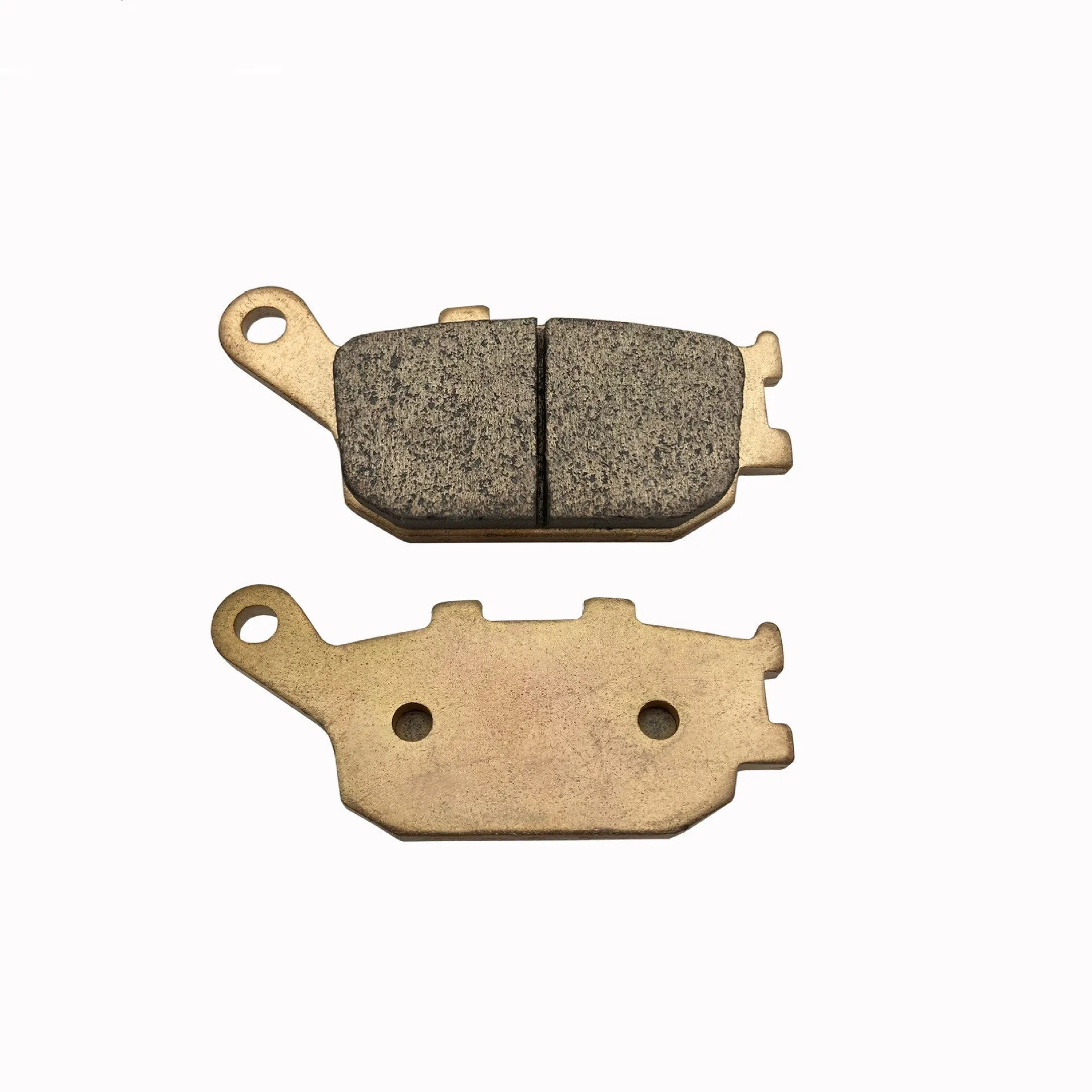
The value of this product lies in its direct compatibility and clear material specification. It solves the problem of sourcing a correct replacement part for a specific vehicle, which is a fundamental requirement in vehicle maintenance.
Reuse and Low Maintenance
As a brake pad, it is a consumable item designed to be used until worn and then replaced. Its value in reuse is intrinsic to its function within the motorcycle's braking system, contributing to safe vehicle operation throughout its service life. Maintenance involves the standard brake system checks expected with any pad installation.
Why Choose This Product
This product should be chosen by owners and technicians of the specified Honda CBR models who require rear brake pads and prefer or require an asbestos-free sintered compound. The primary decision factors are the exact vehicle model compatibility and the stated material type. It provides a straightforward solution for a defined mechanical need without requiring cross-referencing or guesswork on fitment, assuming the source model information is accurate.