
USB development board with an integrated ATMEGA32U4 microcontroller, measuring 50mm by 16mm for compact project integration and standard data rate communication
ATMEGA32U4
£20.98
Skip to product information

 This USB development board centres on the ATMEGA32U4 microcontroller, a chip known for its integrated USB 2.0 controller. This integration is key, as it allows the 50mm by 16mm board to communicate directly with a computer without extra hardware. It's a practical starting point for projects requiring USB Human Interface Device (HID) functionality, like custom keyboards or game controllers, or for creating USB-serial adapters. The standard data rate ensures stable communication for programming and debugging. Supplied as a single, ready-to-use unit, it significantly reduces the initial hardware setup time for developers and hobbyists diving into AVR microcontroller projects.
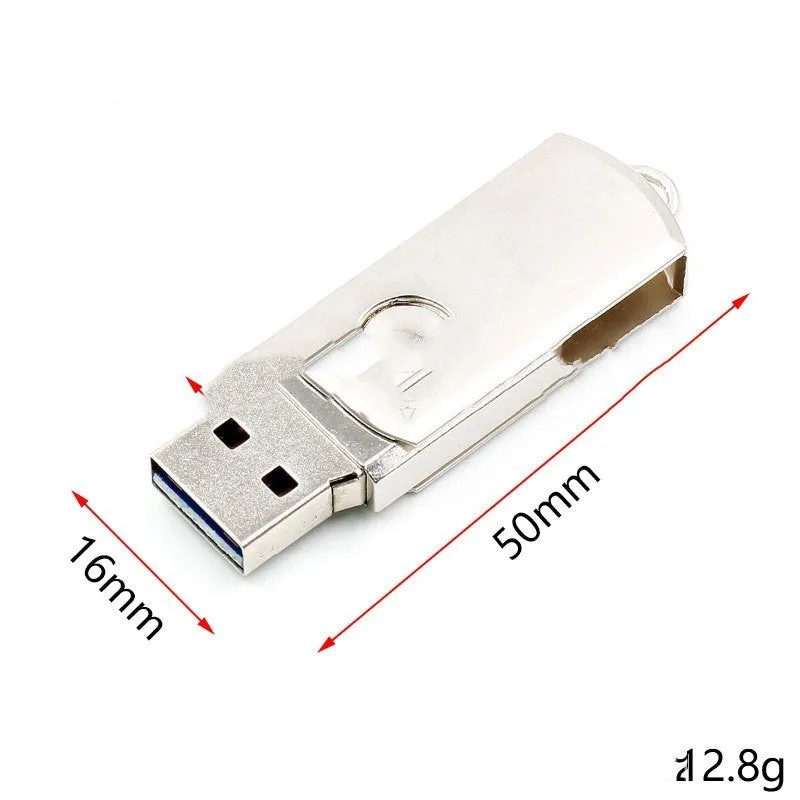 This section details the specific technical attributes and construction of the ATMEGA32U4 development board. We'll examine its compact design, the capabilities of its core microcontroller, and the quality of its manufacturing, which together provide a reliable platform for electronics development.
 The integration of USB into a microcontroller board opens a wide range of practical applications. From professional prototyping to educational projects, this board serves as a versatile tool. Below are specific scenarios where its compact size and native USB capability are particularly advantageous.
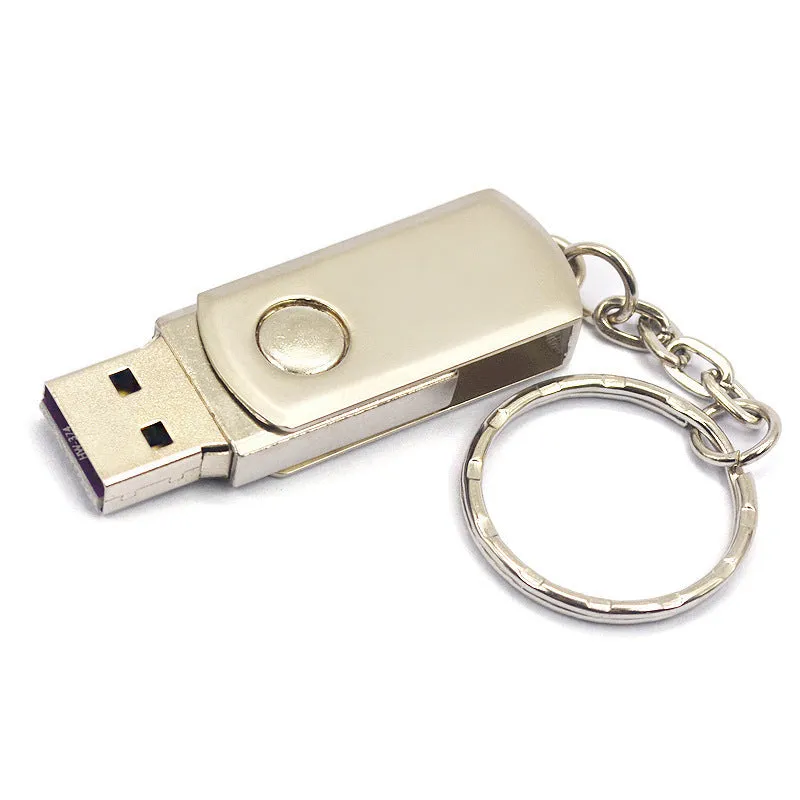


USB development board with an integrated ATMEGA32U4 microcontroller, measuring 50mm by 16mm for compact project integration and standard data rate communication
£20.98
ATMEGA32U4 USB Development Board: A Compact 50mm x 16mm Board for Embedded Prototyping
Features and Build Quality of the Development Board
Compact and Integrated PCB Design
The board's primary physical characteristic is its 50mm length and 16mm width. This compact footprint is achieved by using surface-mount technology (SMT) for all components, including the ATMEGA32U4 chip itself. The layout consolidates the microcontroller, its supporting crystal oscillator, filtering capacitors, and a USB connector onto a single-layer or double-layer fibreglass (FR-4) PCB. This efficient design means the board can be powered and programmed directly via the USB connection, with no need for an external programmer or separate power supply during the development phase.ATMEGA32U4 Microcontroller Specifications
The heart of the board is the Atmel ATMEGA32U4 AVR microcontroller. This chip operates at 5V from the USB bus and features 32KB of flash memory for program storage, 2.5KB of SRAM, and 1KB of EEPROM. Its most significant technical feature is the full-speed USB 2.0 controller embedded within the silicon. This allows the chip to implement standard USB device classes directly, such as HID or CDC (Communications Device Class), enabling it to appear as a keyboard, mouse, or serial port to a connected computer with minimal additional code.Durable Construction for Prototyping
Built on an FR-4 fibreglass substrate, the PCB provides a stable and durable base that resists warping under soldering heat. The use of lead-free, RoHS-compliant solder for the surface-mounted components is standard for modern electronics. The USB connector is typically through-hole mounted or has robust surface-mount pads, designed to withstand repeated insertion and removal cycles during development. This construction focuses on reliability during the prototyping phase, where the board may be frequently connected, reprogrammed, and integrated into test setups.Practical Applications for Developers and Makers
Professional Prototyping and Product Development
For engineers developing commercial products, this board acts as a functional proof-of-concept. Its 50mm x 16mm size allows it to be fitted inside mock-up enclosures to test form factor. Developers can write firmware that uses the ATMEGA32U4's USB HID capabilities to create custom input devices, such as specialised control panels or accessibility tools, and test them in real-time with target software. The ability to debug code via USB serial communication streamlines the firmware development process before moving to a custom-designed PCB.Educational and Hobbyist Electronics Projects
For students and hobbyists, the board simplifies learning about USB communication. The tactile experience of plugging in a single USB cable and having the computer recognise a new device makes the technology more accessible. Learners can progress from blinking an LED to building a device that interacts directly with PC software, such as a simple macro pad or a data logger that saves files directly to a computer. The immediate feedback from the USB connection aids in understanding both hardware interfacing and software driver concepts.Versatility in Custom Hardware Solutions
Tangible Benefits of Choosing This Board Choosing this specific development board brings several concrete advantages to a project. These benefits relate to development speed, long-term utility, and the confidence gained from using a well-integrated platform. Here we break down the key value points.Long-Term Value and Cost Efficiency
The primary value is time saved during the development cycle. By eliminating the need to source, wire, and debug a separate USB interface chip, you reduce both component cost and hours spent. The board itself can often be used as the final microcontroller module in low-volume production or bespoke projects, avoiding the need to redesign a core circuit. Compared to using a microcontroller without native USB, which requires an additional IC like an FTDI chip, this integrated solution offers a cleaner bill of materials and a more compact final design.User Satisfaction and Development Confidence
There is a distinct satisfaction in seeing a custom device enumerate on your computer screen moments after plugging it in. This confidence stems directly from the ATMEGA32U4's reliable USB hardware implementation. The peace of mind during prototyping comes from knowing the communication layer is handled by proven silicon, allowing you to concentrate on your application code. The robust physical connection of the integrated USB port also prevents the unreliable connections common with loose jumper wires on a breadboard, leading to fewer frustrating debugging sessions caused by intermittent hardware faults.A Direct Path from Concept to Function
This board provides the most direct route to creating a USB-connected device. The decision to use it is supported by its specific measurements of 50mm by 16mm, which guarantee it will fit in compact designs, and by the verified standard data rate of its USB interface. By starting with this integrated platform, you invest in a development process that minimises hardware complexity and maximises time spent on innovative firmware. It turns the often-daunting task of adding USB to a project into a simple matter of writing code for a well-documented microcontroller.