
Wind car DIY electronic kit science toy for children's educational physics experiments, creative invention building kit with acrylic, metal, and plastic construction measuring 7.7cm x 10cm x 8.2cm that improves cognitive thinking through hands-on assembly


Wind car DIY electronic kit science toy for children's educational physics experiments, creative invention building kit with acrylic, metal, and plastic construction measuring 7.7cm x 10cm x 8.2cm that improves cognitive thinking through hands-on assembly
Wind car DIY electronic kit for children's educational physics experiments and cognitive development
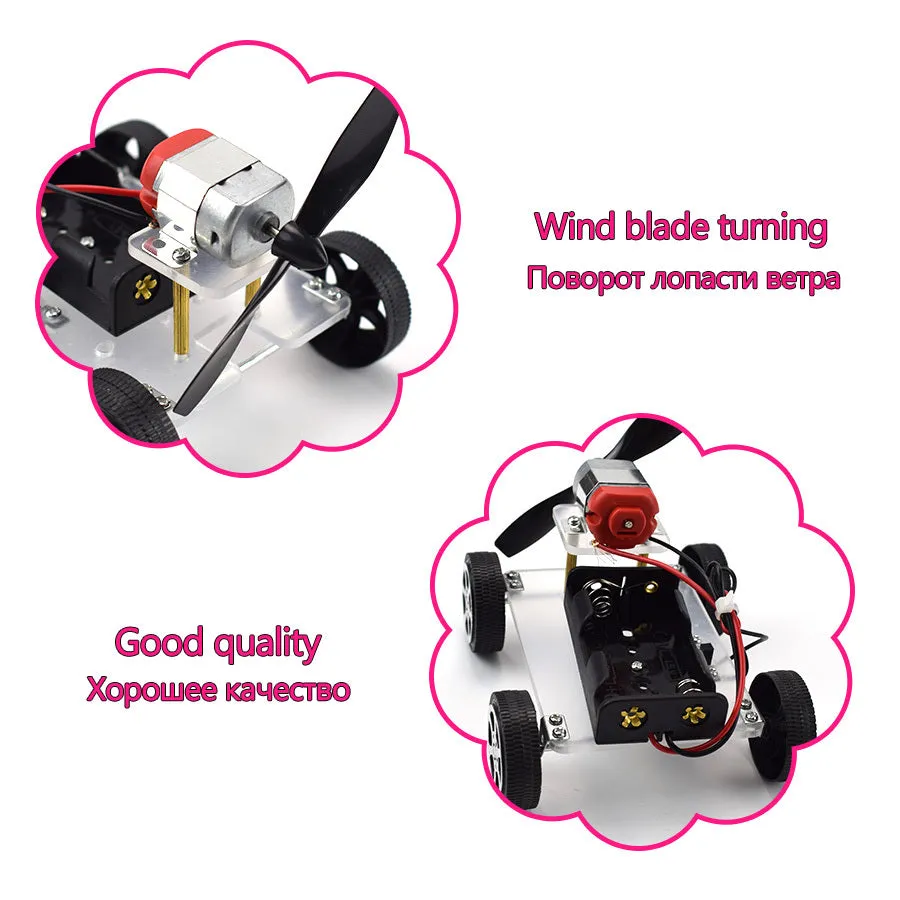
This wind car DIY electronic kit provides a practical approach to learning basic physics and engineering principles through hands-on assembly. The educational science toy engages children in constructing a functional electronic model car from individual components, encouraging problem-solving and systematic thinking throughout the building process. With dimensions of 7.7cm in width, 10cm in length, and 8.2cm in height when fully assembled, this compact kit offers an accessible introduction to mechanics and circuitry that balances educational value with manageable complexity for young learners. The construction incorporates acrylic, metal, and plastic materials, each serving specific structural and functional purposes within the complete wind car model.
Features and Construction

The wind car kit combines educational objectives with practical building experience, focusing on physics experiment principles through component assembly. The construction process itself serves as scientific training that aims to improve cognitive thinking ability, moving beyond passive learning to active problem-solving. Each material selection supports specific functions within the completed model, with the acrylic, metal, and plastic components working together to create a working demonstration of wind-powered movement and basic electronics.
Material and Build
The kit incorporates three distinct material types, each contributing to different aspects of the wind car's construction and operation. Acrylic components provide structural elements with clarity and rigidity, metal parts offer durable mechanical connections and weight distribution, while plastic elements contribute lightweight construction suitable for assembly by younger builders. This material combination creates a balanced approach to model building that introduces material science concepts alongside the primary physics experiment focus. The assembly process requires attention to component placement and connection methods, reinforcing spatial reasoning and mechanical understanding through practical application.
Size and Practical Fit
With finished dimensions of 7.7cm x 10cm x 8.2cm, the completed wind car occupies minimal space while demonstrating complete mechanical functionality. This compact size makes the model suitable for display on shelves or desks while allowing for operation in contained spaces. The assembly process works within these dimensional constraints, with components sized appropriately for handling by children during construction. The scale provides visual clarity of mechanical relationships between parts while maintaining proportions that support the wind-powered movement principle central to the physics experiment.
Uses and Placement
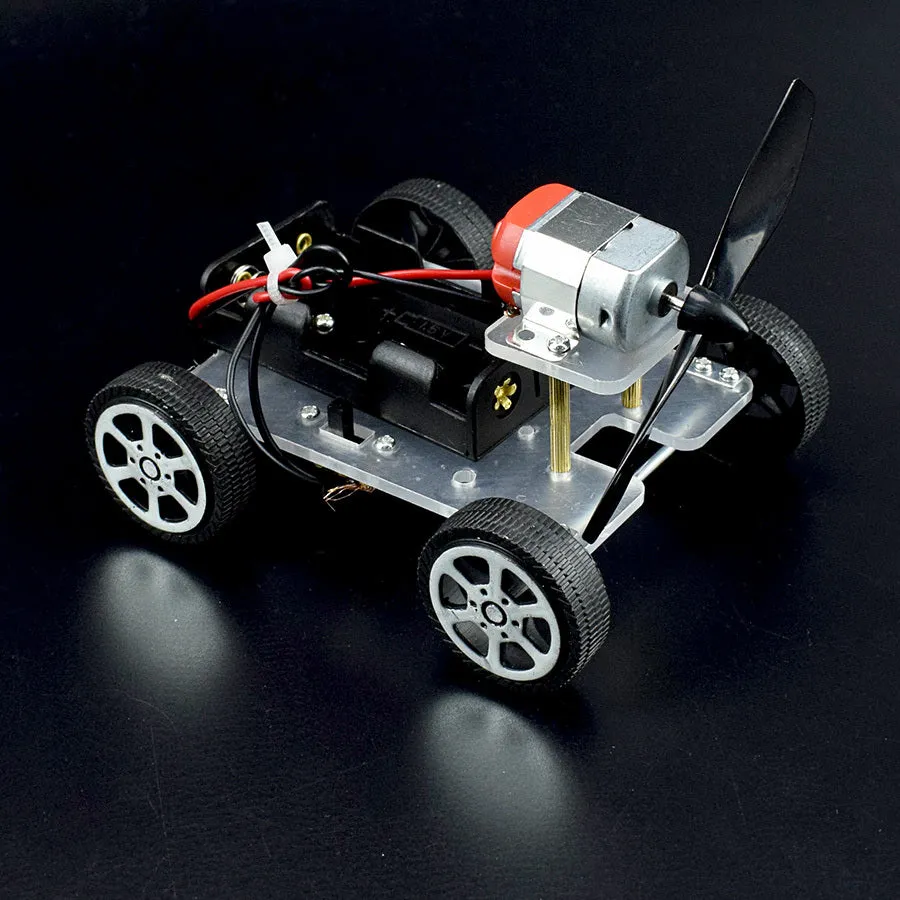
The wind car kit serves multiple educational purposes, from individual creative invention projects to structured classroom science demonstrations. The assembly process and resulting model support early learning education in science by providing concrete experience with principles often presented abstractly in textbooks. The hands-on nature of the kit transforms theoretical concepts into tangible understanding through building, testing, and observation phases that develop systematic thinking patterns valuable across academic subjects.
Event or Professional Use
For educational settings, this wind car kit functions effectively as a classroom demonstration tool for physics principles or as a group project component in science workshops. Teachers and educators can utilise the assembly process to illustrate mechanical relationships, electrical connections, and energy conversion from wind to motion. The kit's standardised components and clear construction steps make it suitable for repeated use across multiple learning sessions or student groups, with the educational focus on process rather than just the finished product. Science fairs and educational events benefit from the demonstration-ready nature of the completed model, which clearly shows cause-effect relationships in wind energy utilisation.
Everyday Home Use
At home, the wind car kit provides structured creative activity that extends beyond simple entertainment to purposeful skill development. Parents seeking educational toys that offer cognitive development alongside entertainment value will appreciate the balance between guided assembly and creative problem-solving. The completed model serves as both an achievement display and a functional demonstration piece that can be operated repeatedly with minimal setup. Unlike single-use craft projects, the wind car maintains functionality for continued exploration and demonstration, allowing children to revisit and explain the principles they've learned to family members or friends.
Benefits and Buying Value
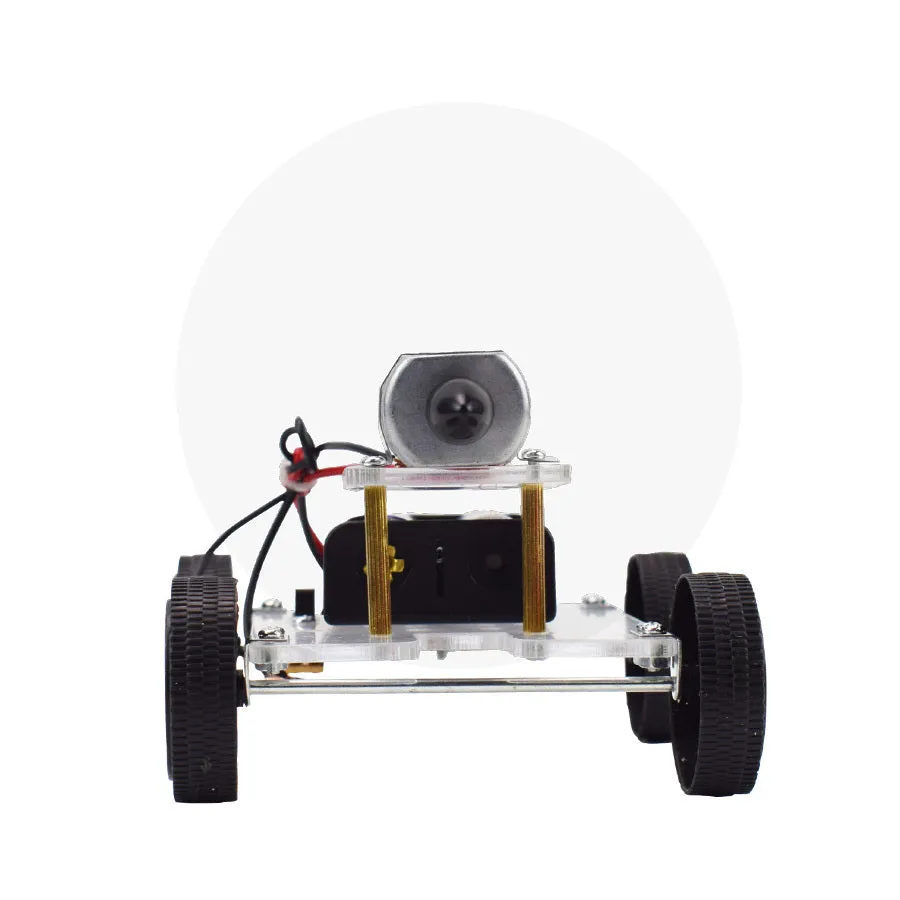
The wind car DIY electronic kit delivers educational value through multiple dimensions, combining immediate assembly satisfaction with longer-term cognitive development benefits. Unlike passive entertainment options, this kit actively engages problem-solving skills and systematic thinking throughout the building process. The focus on physics experiment principles grounds the activity in concrete scientific concepts while allowing room for individual approach variations during assembly, supporting both structured learning and creative exploration within the same project framework.
Reuse and Low Maintenance
Once assembled, the wind car model requires only battery replacement for continued operation, with the structural components designed for repeated demonstration use. The acrylic, metal, and plastic construction materials maintain integrity through normal handling, supporting educational reuse across multiple demonstration sessions or for sibling sharing. The design prioritises functional clarity over decorative elements, keeping the focus on the mechanical and electrical principles being demonstrated rather than cosmetic features that might distract from educational objectives. This practical approach extends the kit's useful lifespan as a learning tool beyond the initial assembly experience.
Why Choose This Product
This wind car kit distinguishes itself through its specific focus on physics experiment principles within an accessible building format. The combination of three material types introduces basic material science concepts alongside the primary mechanical focus, while the requirement for battery installation connects the project to practical electrical knowledge. Unlike generic building sets, this kit provides directed learning objectives related to wind energy conversion and mechanical systems, supported by component selection specifically chosen to demonstrate these principles effectively. The complete package includes all necessary parts for a functional wind-powered vehicle, avoiding the frustration of missing components while maintaining educational clarity through thoughtful design.
